- en
10 Best European Countries for Software Developers 2026
28 September, 2026
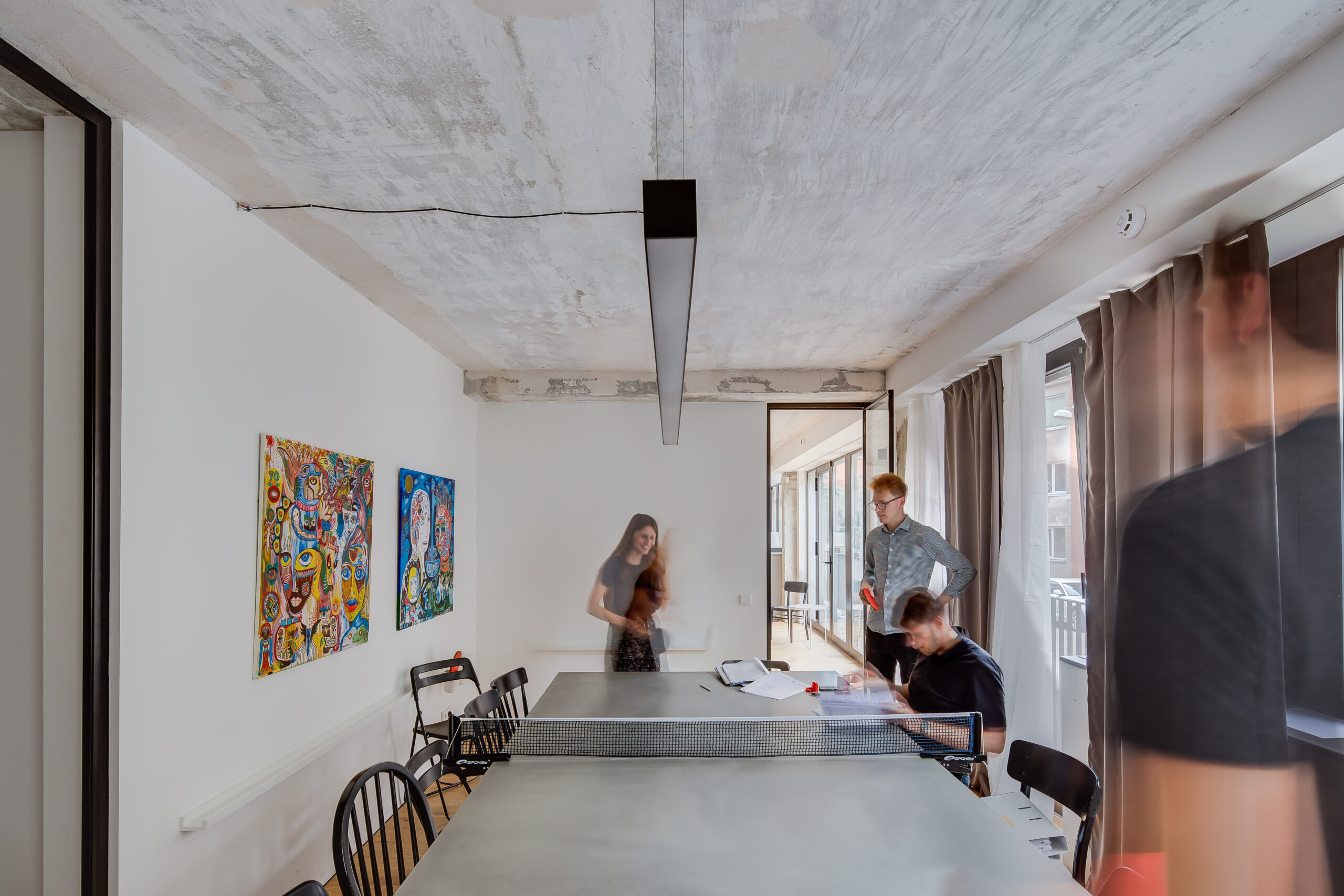
Whether you’re prioritising salary, career growth, lifestyle or an easier relocation process, the best choice comes down to how these factors work together.
Key Takeaways
• The highest gross salary does not always translate into the strongest purchasing power once housing, taxes and everyday costs are taken into account.
• Large tech hubs offer more employers and specialist roles, while smaller markets can offer faster career growth and a better salary-to-cost-of-living balance.
• Work-life balance, workplace culture and quality of life can matter just as much as salary when choosing where to build a long-term career.
• For non-EU software developers, work permits, residence options and employer relocation support should be compared before accepting an offer.
Europe gives software developers a wide range of career options, from global tech hubs with some of the continent’s highest salaries to smaller markets where strong demand, lower living costs and good work-life balance can make relocation especially attractive.
The best choice depends on more than salary alone. Developers also need to consider purchasing power, the size of the local tech market, housing costs, career growth, work culture and, for non-EU professionals, how straightforward it is to relocate and secure the right to work.
This guide compares 10 European countries that stand out for software developers in 2026 and looks at the main trade-offs to consider before making a move.
Europe remains attractive to software engineers because it combines major tech hubs, established tech companies and fast-growing smaller ecosystems. The continent’s tech industry spans product development, fintech, cybersecurity, cloud, AI, gaming, semiconductors and enterprise software, giving tech professionals a wide range of career paths. For international talent, the decision is not only about where jobs exist, but also where competitive salaries, career growth and overall life quality come together in a sustainable way.
For non-EU software engineers, immigration rules are part of that comparison. Depending on the destination, the relevant route may be an EU Blue Card, a national skilled worker visa or another work and residence permit. Processing times, salary thresholds and employer support can all affect the relocation process, so these practical factors deserve as much attention as the job offer itself.

What Makes a Country Good for Software Developers?
Software developer salaries and purchasing power
Salary is usually one of the first things developers compare, but gross pay only tells part of the story. A high salary in an expensive city can leave less disposable income than a more moderate salary in a lower-cost market.
When comparing countries, look at net salary, rent, taxes, transport and day-to-day expenses together. This gives a much better picture of what your income will actually allow you to save or spend.
Competitive salaries matter most when they translate into real purchasing power. That is why software engineers should compare the cost of living in the main tech hub with expected take-home pay, rather than judging a country only by its headline salary figures. In some markets, a slightly lower salary can still support stronger savings because housing and everyday costs are lower.
Size and growth of the tech industry
A strong tech market gives developers more choice. That can mean international employers, fast-growing startups, product companies, fintech firms, cybersecurity teams, AI companies and engineering centres.
The size of the market also matters for career progression. A country with several active tech hubs and a wide employer base can make it easier to move between companies, specialise in a niche or step into leadership without relocating again.
Major tech hubs usually offer the widest choice of tech companies and specialist roles, but smaller ecosystems can be attractive too. In a fast-growing tech industry, developers may get earlier access to responsibility, product ownership and leadership. For tech professionals planning several years ahead, the depth of the local market can be just as important as the number of vacancies available today.
Cost of living and work-life balance
Career decisions are rarely only about work. Housing affordability, commute times, paid leave, flexibility and workplace culture all shape day-to-day life.
For many international professionals, the best destination is not necessarily the one with the highest salary, but the one that combines good career opportunities with a sustainable lifestyle. Quality of life and overall life quality are shaped by the cost of living, housing, commute times, access to services and how much time remains outside work. Our guide to positive company culture looks more closely at the workplace factors that can make a role worth staying for.
For software engineers comparing European countries, this is where work-life balance becomes practical rather than abstract. A strong salary can lose some of its appeal if the commute is long, housing is difficult to secure or the local work culture regularly stretches beyond normal hours.
Visa, residence and relocation options for international talent
For EU citizens, moving between EU countries is relatively straightforward. For non-EU developers, the process varies considerably.
Some countries use the EU Blue Card, while others also offer a national skilled worker visa or another skilled migration route. Before choosing a destination, compare eligibility rules, salary thresholds, processing times, residence requirements and how much support employers typically provide with relocation.
The relocation process can also differ after approval. In some countries, the work permit and residence permit are handled together; in others, registration or a separate residence step may still be required after arrival. Tech companies that recruit internationally often help with documents, temporary accommodation or local registration, but the level of support varies widely. Non-EU tech professionals should therefore check the full process, not only the first visa application.
10 Best European Countries for Software Developers
The countries below each offer a different mix of salaries, career opportunities, living costs and lifestyle. There is no single formula that works for every software developer, so it is useful to compare them across the same criteria.
| Country | Major tech hub | Salary level | Cost of living | Tech opportunities | Work-life balance |
|---|---|---|---|---|---|
| Switzerland | Zurich | Very high – ~$120,000/year average | Highest on this list – ~€3,092/month for a 1-bedroom flat in the city centre | Very strong – banking technology, pharma R&D and a growing AI startup scene | Protected – Swiss law caps most office roles at a 45-hour week with 4 weeks’ minimum leave |
| Germany | Berlin / Munich | High – ~$88,500/year average for software developers | Moderate-high – ~€1,488/month for a 1-bedroom flat in the city centre | Very strong – Europe’s largest tech economy, with a dedicated EU Blue Card shortage-occupation track for IT roles | Strong – ranked 5th in Europe’s 2025 Life-Work Balance Index |
| Netherlands | Amsterdam / Eindhoven | High – ~$80,000/year average | High – ~€2,657/month for a 1-bedroom flat in the city centre | Very strong – dense fintech, software, AI and semiconductor ecosystems across Amsterdam and Eindhoven | Strong – Europe’s shortest average working week, at 30.5 hours |
| United Kingdom | London | High to very high – particularly for senior software engineering, AI and fintech roles | Very high – London housing and living costs are among the highest in Europe | Very strong – Big Tech, fintech, AI, finance and a large startup ecosystem | Improving – rose from 18th to 13th in Europe’s 2025 Life-Work Balance Index |
| Lithuania | Vilnius / Kaunas | Rising fast – IT sector average of ~€4,700/month gross in Vilnius (H1 2025), up 68% since 2019 | Low – ~€872/month for a 1-bedroom flat in the city centre | Strong – 78,000+ ICT specialists across fintech, cybersecurity and gaming | Improving – climbed from 30th to 23rd in Europe’s 2025 Life-Work Balance Index |
| Ireland | Dublin | High – €50,000–€70,000/year average | Very high – ~€2,517/month for a 1-bedroom flat in the city centre | Very strong – the EU base for many of the world’s largest technology companies | Best in Europe – ranked 1st in Europe’s 2025 Life-Work Balance Index |
| Poland | Warsaw / Kraków / Wrocław | Moderate – ~$52,000/year average total compensation | Low-moderate – ~€1,263/month for a 1-bedroom flat in the city centre | Strong – a large multi-city technology workforce across Warsaw, Kraków and Wrocław | Protected – covered by the EU Working Time Directive |
| Finland | Helsinki | High – competitive software engineering salaries, particularly for experienced and specialist roles | High – see current Helsinki living and housing costs | Strong – software, gaming, telecommunications, industrial technology, cloud and deep tech | Very strong – ranked 7th in Europe’s 2025 Life-Work Balance Index |
| Sweden | Stockholm | High – competitive salaries across software engineering, fintech and product technology | High – see current Stockholm living and housing costs | Very strong – one of Europe’s best-known startup, scale-up and product technology ecosystems | Strong – ranked 21st in Europe’s 2025 Life-Work Balance Index |
| Estonia | Tallinn | Moderate – ~€48,300/year average for software engineers | Low – ~€840/month for a 1-bedroom flat in the city centre | Strong for its size – a highly developed startup, fintech, cybersecurity and digital services ecosystem | Protected – covered by the EU Working Time Directive |
1. Switzerland
Switzerland remains one of Europe’s strongest options for experienced software developers focused on earning potential. Zurich combines a major financial sector with technology roles in banking, pharmaceuticals, enterprise software, AI and research.
The biggest advantage is salary. Senior engineering and specialist roles can offer some of the highest compensation levels in Europe. For software engineers with niche experience, Switzerland’s tech companies can provide both competitive salaries and access to highly specialised work in one of Europe’s major tech hubs.
The trade-off is cost. Housing, services and everyday expenses are also among the highest on the continent. Non-EU professionals can also face a more restrictive work permit system than in EU countries, so Switzerland tends to be most attractive to experienced developers with in-demand skills.
2. Germany
Germany offers one of Europe’s largest and most diverse technology job markets. Berlin is known for startups and product companies, while Munich has a strong mix of enterprise technology, automotive, engineering and international employers.
For software developers, the main advantage is choice. There are opportunities across backend development, cloud, data, cybersecurity, AI, embedded systems and product engineering.
Salaries are strong, and Germany can offer a good balance between earning potential, long-term career growth and quality of life. Its large tech industry also means software engineers can move between startups, scale-ups and multinational tech companies without leaving the country. Housing costs in cities such as Berlin and Munich have increased, so the final value of an offer depends heavily on location and the local cost of living.
3. Netherlands
The Netherlands has become one of Europe’s most international tech markets, with Amsterdam as its best-known hub and Eindhoven adding a strong engineering and semiconductor ecosystem.
Software developers can find opportunities with multinational companies, product businesses, fintech firms and fast-growing technology teams. English is widely used in international workplaces, which can make the transition easier for foreign professionals.
Salaries are competitive, but housing is a major consideration. Amsterdam in particular has high rental costs, so developers should compare net income and housing expenses rather than looking at salary alone. The Netherlands remains attractive to international tech professionals because many tech companies operate in English and recruit software engineers from abroad.
4. United Kingdom
The United Kingdom remains one of Europe’s biggest technology and financial centres. London brings together Big Tech, fintech, AI, financial services, startups and global headquarters, creating one of the continent’s broadest markets for experienced developers.
Senior-level engineering, data and AI roles can offer some of Europe’s strongest salary opportunities, especially in London.
The main drawback is cost of living. Housing and everyday expenses in London can significantly reduce the advantage of a higher salary. Developers considering the UK should compare the role itself with the cost of the city in which they would be based. Even so, London’s concentration of major tech companies and specialist roles keeps it one of Europe’s most important tech hubs for senior software engineers.
5. Lithuania
Lithuania has developed a strong technology ecosystem relative to its size, with Vilnius and Kaunas serving as the country’s main technology centres. The market includes fintech, software development, cybersecurity, gaming, SaaS and international business services.
Companies such as Vinted, Nord Security, Hostinger and Teltonika have grown from Lithuania, while a wide range of international employers also operate local technology teams. You can explore more of the market in our guide to the largest companies in Lithuania.
For international professionals, one of Lithuania’s advantages is the combination of competitive salaries and lower living costs than many Western European tech hubs. Our Lithuania average salary guide gives a broader view of local salary levels and how they compare across sectors.
English is widely used across international technology companies, particularly in Vilnius. Developers who want to explore the market can also look at our guide to English-speaking jobs in Lithuania.
Lithuania can be especially attractive to developers who want access to a growing tech market without the housing costs of cities such as London, Dublin, Amsterdam or Zurich.
6. Ireland
Ireland has built one of Europe’s strongest multinational technology ecosystems, with Dublin hosting major operations for many global technology companies.
For software engineers, the market offers opportunities in cloud, infrastructure, cybersecurity, data, enterprise software and product development. Salaries are competitive, and English is the main working language.
The biggest challenge is housing. Dublin’s rental market and overall cost of living can make relocation expensive, so developers should look closely at net salary and accommodation costs before comparing offers.
7. Poland
Poland has one of Central Europe’s largest technology workforces. Warsaw, Kraków and Wrocław all have established software and engineering markets, supported by both local companies and international employers.
The country offers a wide variety of roles across software engineering, fintech, gaming, shared technology services, data and cloud infrastructure.
One of Poland’s main advantages is its salary-to-cost-of-living balance. Salaries are generally lower than in Switzerland, Germany or the Netherlands, but housing and everyday expenses can also be considerably lower.
8. Finland
Finland combines a strong engineering tradition with a modern technology ecosystem centred around Helsinki and other innovation hubs.
The country offers opportunities in software, telecommunications, gaming, industrial technology, cloud and deep tech. It is also known for a working culture that places a high value on autonomy, flexibility and work-life balance.
Living costs are relatively high, but competitive salaries and strong public services can still create good savings potential, especially for experienced professionals. Finland also appeals to tech professionals who value quality of life, predictable working culture and the ability to build a career without sacrificing work-life balance.
9. Sweden
Sweden has one of Europe’s most established startup and innovation ecosystems, with Stockholm home to a wide range of technology companies, scale-ups and international employers.
Software developers can find opportunities across fintech, consumer technology, gaming, SaaS, telecoms and product development. The market is particularly attractive to professionals interested in product-led companies and innovation-driven teams.
Living costs, especially housing in Stockholm, are high. However, tech salaries remain competitive, and Sweden’s work culture and work-life balance are major attractions for many international professionals.
10. Estonia
Estonia has built a global reputation for digital innovation and a highly developed startup ecosystem. Tallinn is the centre of the market and is particularly strong in software, fintech, cybersecurity and digital services.
The country’s technology sector is small in absolute terms, but highly developed for the size of the population. This can make the ecosystem feel accessible and well connected.
For developers who value digital public services, startup culture and a relatively compact tech community, Estonia can be an attractive alternative to Europe’s larger markets.

How to Choose the Best European Country as a Software Developer
Compare net salary, not just gross salary
A headline salary is useful, but it is not enough. Check income tax, social contributions and expected take-home pay before comparing offers between countries.
Then look at how much of that net salary will go toward rent, transport and other regular expenses. Comparing competitive salaries without comparing the local cost of living can give a distorted picture of which country offers the strongest financial outcome.
Calculate housing and overall living costs
Housing is often the biggest difference between European tech hubs. A higher salary in London, Dublin or Amsterdam may not go as far as a lower salary in Vilnius, Warsaw or Tallinn.
Compare realistic rental prices in the neighbourhoods where you would actually live, rather than relying only on country averages.
Consider career progression and relevant tech roles
Look beyond the first job. Ask whether the local market has enough companies and roles for your specialisation, what opportunities exist at senior level and whether you could change employers without needing to move country again.
For developers in specialist areas such as cybersecurity, AI, data engineering or embedded systems, the depth of the local market can matter as much as its overall size. Look at the number of relevant tech companies, the maturity of the tech industry and whether there are several employers offering a realistic next step. That makes career growth more resilient if your first role changes or you want to move into leadership later.
Compare work permit and relocation requirements
For non-EU software developers, immigration rules can make one country significantly easier to move to than another.
Check whether your role qualifies for an EU Blue Card or a national skilled worker visa, what salary threshold applies, how long processing usually takes and whether your employer supports the application. Also check whether a separate residence permit is required after arrival, whether the permit is tied to one employer and what happens if you change jobs. These details can materially affect the relocation process for non-EU software engineers.
FAQs
Which European country is best for software developers?
There is no single best country for every developer. Switzerland stands out for salary, Germany and the Netherlands for the size and variety of their tech markets, while countries such as Lithuania and Poland can offer a strong balance between career opportunities and living costs. The best European countries for software developers are therefore different depending on whether a person prioritises competitive salaries, major tech hubs, career growth, work-life balance or an easier relocation process.
Which European country pays software developers the most?
Switzerland is generally one of the highest-paying European markets for software engineers, particularly for experienced and specialist roles. The United Kingdom, Germany, the Netherlands and Ireland can also offer strong compensation, especially in major tech hubs.
Which European country has the most IT jobs?
Germany and the United Kingdom have some of Europe’s largest technology job markets because of the size of their economies and the number of major employers. Poland, the Netherlands and Ireland also have large and active international tech sectors relative to their population.
Which European countries have the highest demand for software developers?
Demand remains strong across major markets such as Germany, the Netherlands, the United Kingdom, Poland and Ireland. Smaller markets including Lithuania and Estonia also actively recruit international software, cybersecurity, data and engineering talent.
Is Lithuania a good country for software developers?
Lithuania can be a strong option for software developers who want an international tech environment with competitive salaries relative to living costs. Vilnius and Kaunas have growing technology ecosystems, while international companies and local scale-ups create opportunities across software, fintech, cybersecurity and related fields.
What are the best European countries for English-speaking software developers?
The United Kingdom and Ireland are the most straightforward options because English is the main language. The Netherlands, Sweden, Finland, Lithuania and Estonia also have many international technology companies where English is commonly used as the working language.
Which European countries offer the best work-life balance for software engineers?
Finland, Sweden and the Netherlands are often attractive to developers who prioritise flexibility and work-life balance. Lithuania and Estonia can also offer shorter commutes, compact cities and international work environments that appeal to professionals looking for a more manageable pace of life.
Is Eastern or Western Europe better for software developers?
It depends on what matters most. Western European markets often offer higher gross salaries and larger employer ecosystems. Central and Eastern European markets can offer lower living costs, fast-growing technology sectors and a strong salary-to-cost-of-living balance.
For many developers, the better comparison is not East versus West, but net salary, career opportunities, housing costs and quality of life in the specific cities they are considering.
What should non-EU software developers consider before moving to Europe?
Before accepting a role, check work permit or EU Blue Card eligibility, whether a national skilled worker visa is available, salary thresholds, processing times, residence permit requirements and whether the employer provides relocation support. It is also worth checking whether a permit is tied to a specific employer and what happens if you decide to change jobs later. For non-EU tech professionals, understanding the full relocation process before signing an offer can prevent delays after the move has already started.