- en
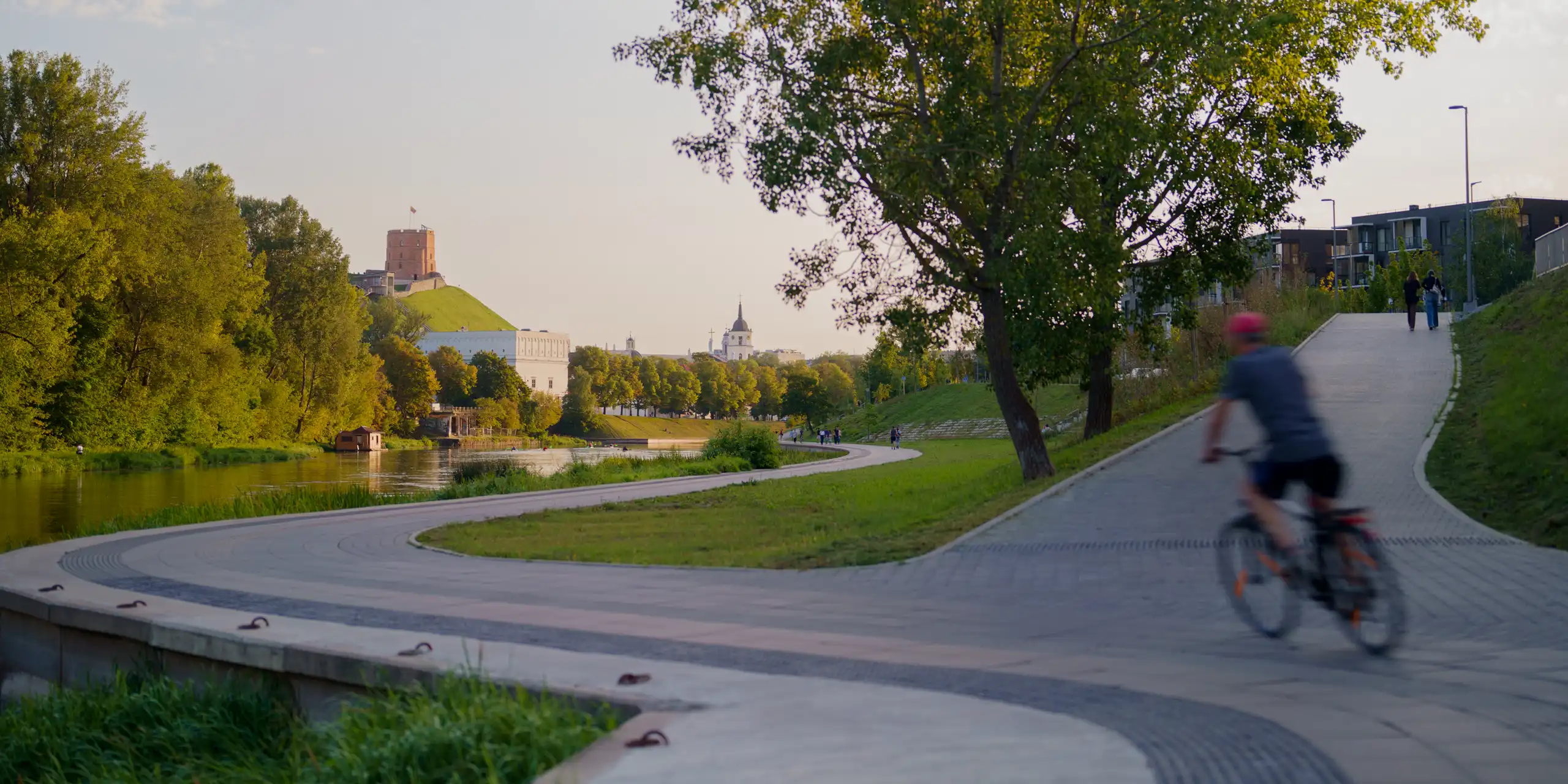
Vilnius is one of those cities that quietly surprises people. Lithuania’s capital combines architecture from late Gothic to Classic periods, creative neighborhoods, green spaces, and modern city life without the crowds and chaos often associated with larger European capitals.
Key Takeaways
- Start with Vilnius Old Town, Gediminas Tower, and the Gate of Dawn to discover Lithuanian history and architecture.
- Explore Užupis, local street art districts, and creative hidden gems around the city center to discover Vilnius beyond the main tourist attractions.
- Vilnius combines traditional Lithuanian cuisine with modern cafes, food trucks, specialty coffee spots, and one of the strongest craft beer scenes in the Baltic states.
- Nature is always close in Vilnius, with parks, river walks, forest trails, and panoramic viewpoints all within easy reach of the city center.
- Beyond being worth visiting as a tourist destination, Vilnius is increasingly attracting international professionals thanks to its quality of life and relaxing vibe.
Top Things to Do in Vilnius, Lithuania
Walk through Vilnius Old Town
Vilnius Old Town is the heart of the city and one of the main reasons Vilnius is worth visiting. As one of the largest surviving medieval old towns in Europe, it combines Gothic architecture, baroque churches, narrow cobblestone streets, and hidden courtyards into one highly walkable area.
The old town feels lively without becoming overcrowded. Unlike many larger capitals, Vilnius still moves at a slower pace, allowing visitors to actually enjoy wandering around the city center rather than rushing between attractions.
Pilies Street is usually where most visitors begin. It connects Cathedral Square with the historic core of the old town and is lined with cafes, local shops, restaurants, and small galleries. Nearby, Literatų Street showcases small artistic tributes dedicated to Lithuanian writers and poets. Stiklių Street offers quieter corners filled with boutique hotels and historic architecture.
Many of the city’s hidden gems are found simply by stepping away from the main streets and exploring the inner courtyards scattered across the old town.
Visit Gediminas Tower for panoramic views
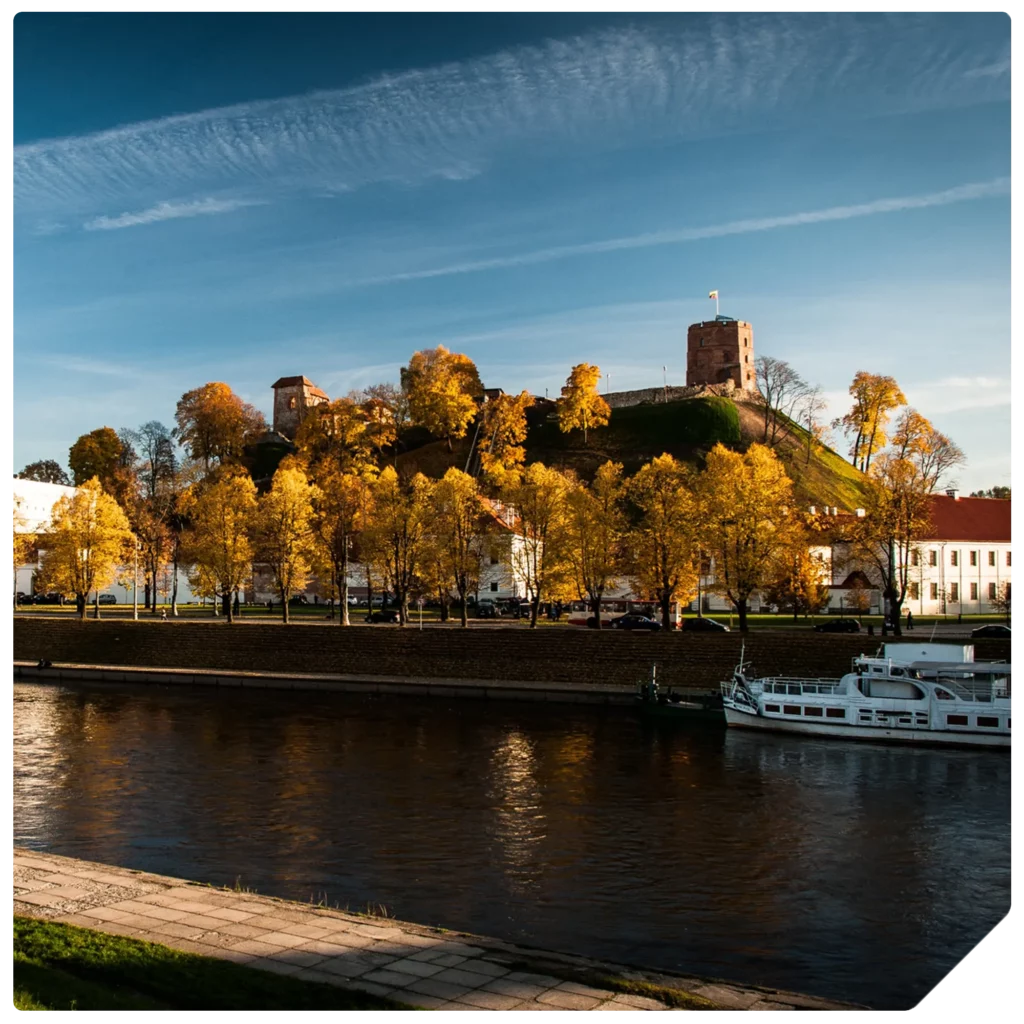
Gediminas Tower stands above Vilnius on Castle Hill and offers one of the best panoramic views across the city center. From the top, visitors can see the rooftops of Vilnius Old Town, modern business districts, church towers, rivers, and the forests surrounding Lithuania’s capital. The tower itself is one of the city’s most recognizable symbols and closely connected to Lithuanian history. According to local legend, Grand Duke Gediminas dreamed of an iron wolf howling on a hill, which inspired the founding of Vilnius.
You can reach the hill either on foot or using the funicular railway. Sunset is one of the best times to visit, especially during summer when hot air balloons often float above the skyline.
Explore the artistic Republic of Užupis
Užupis is easily one of the most unusual and creative neighborhoods in the Baltic states, known for its bohemian atmosphere and is popular with artists. This self-declared republic with it’s own constitution, president and currency sits just beside Vilnius Old Town but feels completely different from the historic city center. Filled with artists, galleries, murals, sculptures, cafes, and independent creative spaces, Užupis has built a reputation as Vilnius’ bohemian district.
The neighborhood even has its own constitution, unofficial president, and symbolic independence day celebrated every April 1st. One of the most popular spots is the Užupis Constitution wall, translated into dozens of languages and filled with humorous and philosophical statements. The Angel of Užupis statue standing in the central square has also become one of the district’s most photographed landmarks. The area perfectly reflects the more creative and experimental side of Vilnius tourist attractions.
Admire street art and murals in Vilnius
Street art has become a major part of modern Vilnius culture. While the city is known for it’s UNESCO World Heritage Old Town and Lithuanian history, many visitors are surprised by how much contemporary urban art exists throughout the city center and surrounding districts.
Naujamiestis and the Station District are especially popular for discovering murals, industrial creative spaces, and alternative cultural venues. Many former industrial buildings have transformed into startup hubs, galleries, bars, and creative venues covered in murals and installations. Street art tours have also become increasingly popular for visitors wanting to discover Vilnius from a more local perspective.
Discover the MO Museum and contemporary art
The MO Museum is one of Vilnius’ leading contemporary art spaces and among the city’s most important modern cultural institutions. Designed by architect Daniel Libeskind, the museum’s modern curved design contrasts sharply with the historic architecture surrounding it. Inside, exhibitions focus on Lithuanian contemporary art, photography, social themes, cinema, and experimental installations.
The museum frequently hosts events, discussions, film screenings, and outdoor exhibitions that attract both locals and visitors.
Even travelers who usually skip museums often enjoy MO because of its approachable atmosphere and interactive exhibitions, while the surrounding public spaces and terraces also contribute to the museum’s relaxed and social atmosphere.
Unique and offbeat experiences
Try Lithuanian cheese ice cream
Lithuanian cuisine is heavily connected to dairy products, and Vilnius has recently embraced more creative interpretations of traditional flavors. One of the most unusual examples is Lithuanian cheese ice cream. Several dessert spots across the city experiment with local cheeses and sweet dairy-based flavors inspired by traditional Lithuanian cuisine. It may sound unusual at first, but it has become one of the city’s more memorable food experiences for visitors looking to try something different.
Hot air balloon ride over the city
Vilnius is one of the very few capitals in Europe where hot air balloons regularly fly directly above the city center. During warmer months, balloons drifting above Vilnius Old Town become part of the skyline itself. Flights usually take place during sunrise or sunset and provide incredible panoramic views across forests, rivers, Gothic architecture, and modern districts.
Even if you do not take a ride yourself, simply watching the balloons from Cathedral Square or Gediminas Hill becomes one of the city’s most memorable experiences.
Best churches and architecture
Vilnius Cathedral and Bell Tower
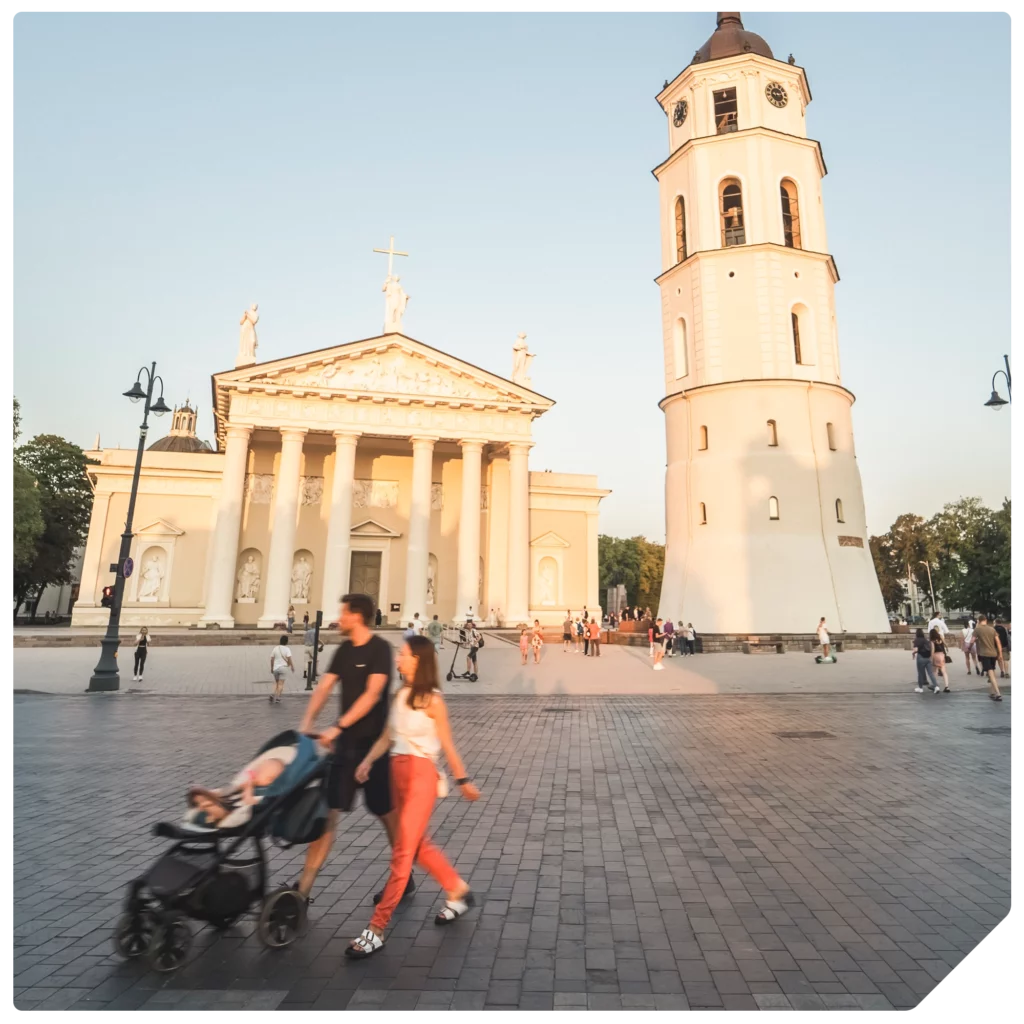
Located in Cathedral Square, Vilnius Cathedral is one of Lithuania’s most important religious and historical landmarks. The nearby bell tower is equally recognizable and regularly appears during concerts, national celebrations, and seasonal events. Cathedral Square itself functions as a major gathering place for locals and visitors throughout the year. During winter, the area transforms into one of the city’s main Christmas market locations.
St. Anne’s Church and Bernardine Complex
St. Anne’s Church is a Gothic masterpiece in Vilnius, widely considered one of the finest examples of Gothic architecture in the Baltic states. Built using intricate red brick patterns, the church remains one of Vilnius’ most photographed landmarks. According to local legend, Napoleon wanted to carry the church back to Paris “in the palm of his hand.”
Beside St. Anne’s stands the Bernardine Church and monastery complex, creating one of the most beautiful architectural areas in Vilnius Old Town. Nearby Bernardine Garden adds even more charm to the area during spring and summer.
Gate of Dawn – Pilgrimage and History
The Gate of Dawn is one of the most historically significant and spiritually important sites in Vilnius. Originally part of the city’s defensive walls, it later became a famous pilgrimage destination because of the sacred painting of the Virgin Mary housed inside the chapel. Visitors from Lithuania, Poland, and beyond still gather here for prayer and reflection. Even non-religious visitors often stop to admire the architecture and historical importance connected to Lithuanian history.
Food, coffee & local life
Eat traditional Lithuanian dishes
Trying traditional Lithuanian cuisine is one of the essential things to do in Vilnius. The country’s food culture focuses heavily on potatoes, rye bread, dairy products, mushrooms, smoked meats, and seasonal ingredients. Cepelinai are Lithuania’s most famous dish — large potato dumplings usually filled with meat or cheese and topped with sour cream and bacon sauce. Another classic is šaltibarščiai – pink soup, made from kefir and beetroot – that has become iconic across Lithuania. You’ll also find potato pancakes, smoked fish, rye desserts, and cottage cheese dishes throughout the city.
Restaurants like Etno Dvaras, Senoji Trobelė, and Lokys are among the best-known places to experience traditional Lithuanian cuisine in Vilnius. Ertlio Namas is a restaurant in Vilnius that features historic Lithuanian cuisine with a modern twist.
Visit Halės Market for local snacks
Halės Market is one of the oldest markets in Vilnius, offering a mix of traditional and modern food options. Located near the Station District, the market combines traditional food vendors with modern cafes and street food concepts. Inside, visitors can try Lithuanian cheeses, pastries, smoked meats, local desserts, fresh bread, and seasonal produce.
Several coffee stands and food trucks outside the market have also helped turn the area into one of the city’s growing creative food hubs. The neighborhood surrounding Halės Market has changed significantly in recent years and now attracts both locals and tourists looking for a less polished and more authentic side of Vilnius.
Find the best coffee spots and craft beer
Vilnius has a vibrant café culture with many cute and cozy spots to enjoy coffee and pastries. Specialty cafes like StrangeLove, Backstage Café, and Crooked Nose & Coffee Stories focus on carefully sourced beans, slow brewing methods, and minimalist interiors. Many cafes also double as creative workspaces or social meeting points, reflecting the city’s growing startup and creative culture.
At the same time, Lithuania’s craft beer scene has expanded rapidly over the past decade. Local breweries such as Sakiškės, Genys, and Dundulis experiment with farmhouse ales, IPAs, sour beers, and traditional brewing techniques. Popular bars like Alaus Biblioteka and Šnekutis allow visitors to explore local beer culture beyond mainstream international brands. Craft beer has become an increasingly visible part of Vilnius nightlife and local culture.
Day trips & nature escapes
Day trip to Trakai Castle & lake
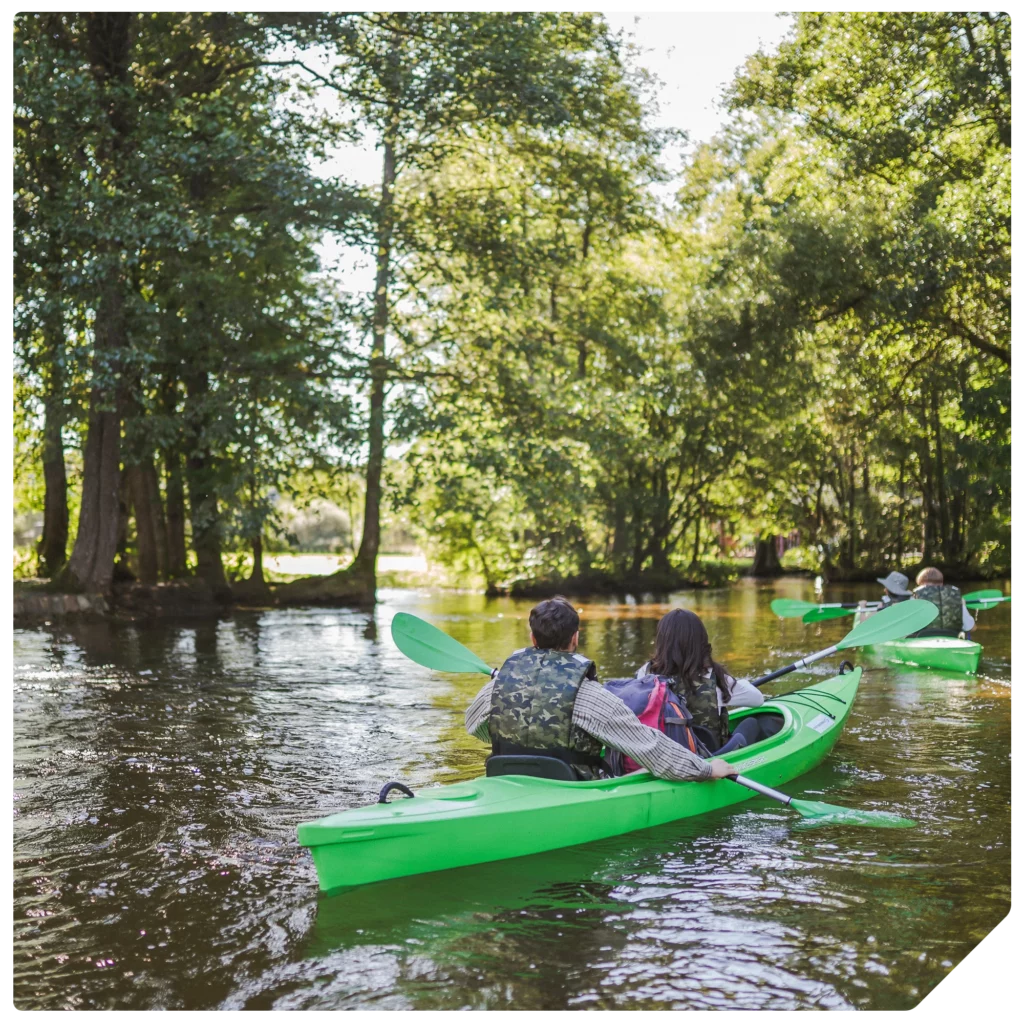
Located only 30 kilometers away from Vilnius, Trakai is one of Lithuania’s most famous places and among the country’s top tourist attractions. The red-brick island castle sits in the middle of Lake Galvė and creates one of the most recognizable landscapes in Lithuania. Visitors can tour the castle museum, rent boats or kayaks, walk around the lakes, or simply relax beside the water. Trakai is also home to the Karaim community, whose traditional pastries called kibinai – traditional pastries filled with meat or vegetables – remain one of the region’s best-known local foods.
The combination of history, nature, and local cuisine makes Trakai one of the best day trips from Vilnius, that can be reached by bus, train, or car.
Walk in Vingis Park or Belmontas Trails
Vilnius stands out among European capitals because of how closely connected it remains to nature. Vingis Park is the city’s largest urban green space and a popular place for cycling, walking, running, concerts, and outdoor events. Locals regularly gather here during warmer months for picnics and sports.
Meanwhile, Belmontas offers a more forest-like environment with rivers, wooden bridges, trails, and waterfalls just outside the city center.
These areas contribute heavily to Vilnius’ relaxing vibe and overall quality of life, where nature never feels far away in Lithuania’s capital.
Hike to The Hill of Three Crosses at Sunset
The Hill of Three Crosses offers some of the best views over Vilnius. The white monument standing on the hill has become one of the city’s most recognizable landmarks.
Upphill walk is relatively short and especially popular during sunset, when golden light spreads across the rooftops below and the viewpoint is also one of the best places to understand how green and compact Vilnius actually is.
Vilnius evening activities & nightlife
Unique clubs & pubs
Vilnius nightlife is spread across the old town, Vilniaus Street, Islandijos Street, and the Station District. The city offers everything from underground electronic clubs to small hidden pubs inside historic courtyards. Compared to larger European capitals, Vilnius nightlife feels more approachable and less commercialized.
Catch live music or DJ Sets
Live music plays an important role in Vilnius’ creative scene. Loftas, located in a former industrial building, combines concerts, festivals, creative markets, and warehouse-style parties throughout the year. One of the city’s most unique venues is Lukiškės Prison 2.0 — a former prison transformed into a cultural space featuring concerts, bars, cinema nights, food courts, and DJ events during summer.
The combination of historic spaces and contemporary nightlife gives Vilnius a distinct atmosphere that feels very different from generic European party destinations.
Chill in wine bars
Wine culture in Vilnius has expanded rapidly in recent years. Places like Vištidė, In Vino, and Wine Story focus on natural wines, carefully selected European producers, and seasonal small plates. Many of these bars are concentrated around Vilnius Old Town and Užupis, where outdoor terraces become especially lively during summer evenings. Unlike more formal wine scenes elsewhere in Europe, Vilnius wine bars tend to feel casual, social, and relaxed.
Evening events
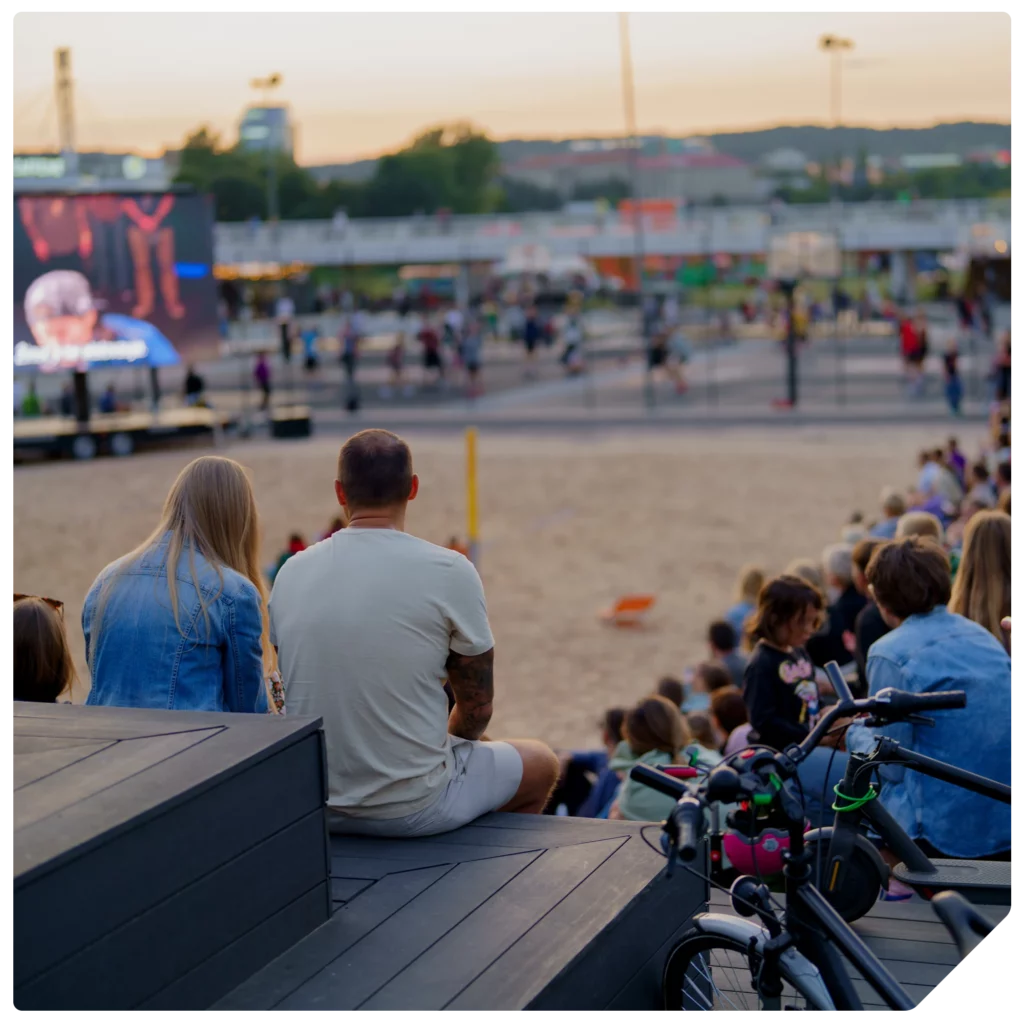
Vilnius hosts cultural events throughout the entire year. During summer, outdoor cinema nights, design festivals, concerts, and street food events regularly take place around Bernardine Garden, MO Museum, and the Neris riverbank.
Winter transforms Vilnius with illuminated streets, Christmas markets, and seasonal cultural events throughout the old town.
The city’s event scene continues growing every year, especially as Vilnius becomes increasingly international.
Travel tips for visiting Vilnius
Currency & Budget
Lithuania uses the euro, and compared to many Western European capitals, Vilnius remains relatively affordable for travelers. Accommodation prices are generally lower than in cities like Copenhagen, Amsterdam, or Berlin, while restaurants, cafes, and entertainment also offer good value for money.
A meal in a casual restaurant in the city center is usually reasonably priced, and public transport tickets remain inexpensive. At the same time, Vilnius has increasingly expanded its higher-end dining, cocktail, and hotel scene, meaning visitors can comfortably travel on both smaller and larger budgets.
Card payments are widely accepted across the city, including in cafes, bars, markets, and public transport apps.
Language
Lithuanian is the official language, though English is widely spoken throughout Vilnius, especially in the city center, cafes, restaurants, coworking spaces, and tourist attractions.
Younger generations and people working in hospitality, tech, and creative industries generally speak English confidently, making communication easy for international visitors. In more tourist-oriented areas of Vilnius Old Town, many menus and informational signs are also available in English.
At the same time, learning a few simple Lithuanian phrases is always appreciated by locals and can make interactions feel more personal.
Getting around
Vilnius is one of the most walkable capitals in Europe. Most major Vilnius tourist attractions are located close together within Vilnius Old Town and the city center, making it easy to explore the city on foot. Walking between historic landmarks, cafes, museums, and neighborhoods like Užupis rarely takes long, which contributes heavily to the city’s relaxed atmosphere.
For longer distances, Vilnius has a reliable public transport network of buses and trolleybuses. Ride-sharing apps like Bolt are also widely used and usually affordable compared to other European cities.
Cycling infrastructure has also improved significantly in recent years, especially around the river and newer districts.
Safety
Vilnius is considered one of the safer capitals in Europe and is generally comfortable to explore both during the day and evening hours.
The city center, Vilnius Old Town, and most nightlife areas remain lively and active late into the evening, especially during weekends and summer months. As in any city, visitors should still stay aware of their belongings in crowded areas, but overall Vilnius has a calm and secure atmosphere that many travelers immediately notice.
This sense of safety is one of the reasons why Vilnius continues attracting both tourists and international professionals looking for a high quality of life.
Seasons
Vilnius experiences four distinct seasons, and each one changes the atmosphere of the city quite dramatically.
Summer is the liveliest period, bringing outdoor cafes, food trucks, festivals, concerts, and hot air balloons floating above the skyline. Long daylight hours make the city especially enjoyable for walking and evening activities.
Autumn adds colorful parks, cooler temperatures, and a calmer pace across the city center and surrounding forests.
Winter transforms Vilnius Old Town with snow-covered rooftops, Christmas markets, festive lights, and seasonal events that give the city a cozy atmosphere.
Meanwhile, spring gradually fills the city with outdoor terraces, blooming green spaces, and renewed energy after the colder months.

Why Vilnius is a great place to live
Many visitors arrive in Vilnius expecting a short city break and leave wondering what it would feel like to stay longer. Lithuania’s capital combines career opportunities, strong digital infrastructure, green spaces, and healthy work-life balance in a way that feels increasingly rare across Europe. The city’s compact layout means daily commutes stay short while nature remains easily accessible.
International professionals are especially attracted by the growing startup ecosystem, affordable lifestyle, and increasing international community. English is widely spoken, coworking spaces continue expanding, and the overall pace of life feels calmer compared to many larger capitals.
Vilnius manages to feel ambitious and modern without losing its relaxing vibe and strong local identity. That balance is one of the main reasons the city continues attracting both visitors and global talent.
FAQs
Is Vilnius a walkable city?
Yes. Vilnius is highly walkable, especially throughout Vilnius Old Town and the city center where most major attractions are located close together.
When is Vilnius the most beautiful?
Late spring and early autumn are often considered the best seasons thanks to colorful parks, mild weather, and outdoor events. Summer is also especially popular because of hot air balloons and festivals.
What is the weather like in Vilnius?
Vilnius experiences four distinct seasons, including warm summers, snowy winters, colorful autumns, and mild springs.
What are the best free things to do in Vilnius?
Some of the best free things to do include exploring Vilnius Old Town, visiting Užupis, discovering street art, hiking to Three Crosses Hill, and relaxing in Vingis Park.
What are the best things to do in Vilnius with kids?
Families often enjoy Bernardine Garden, Trakai Castle, interactive museums, parks, and seasonal outdoor activities across the city.
What are some unusual things to do in Vilnius?
Popular unusual experiences include hot air balloon rides, exploring Užupis Republic, and trying Lithuanian cheese ice cream.