- en
Living in Lithuania: Cost, Work, Lifestyle & Education Guide 2026
16 April, 2026
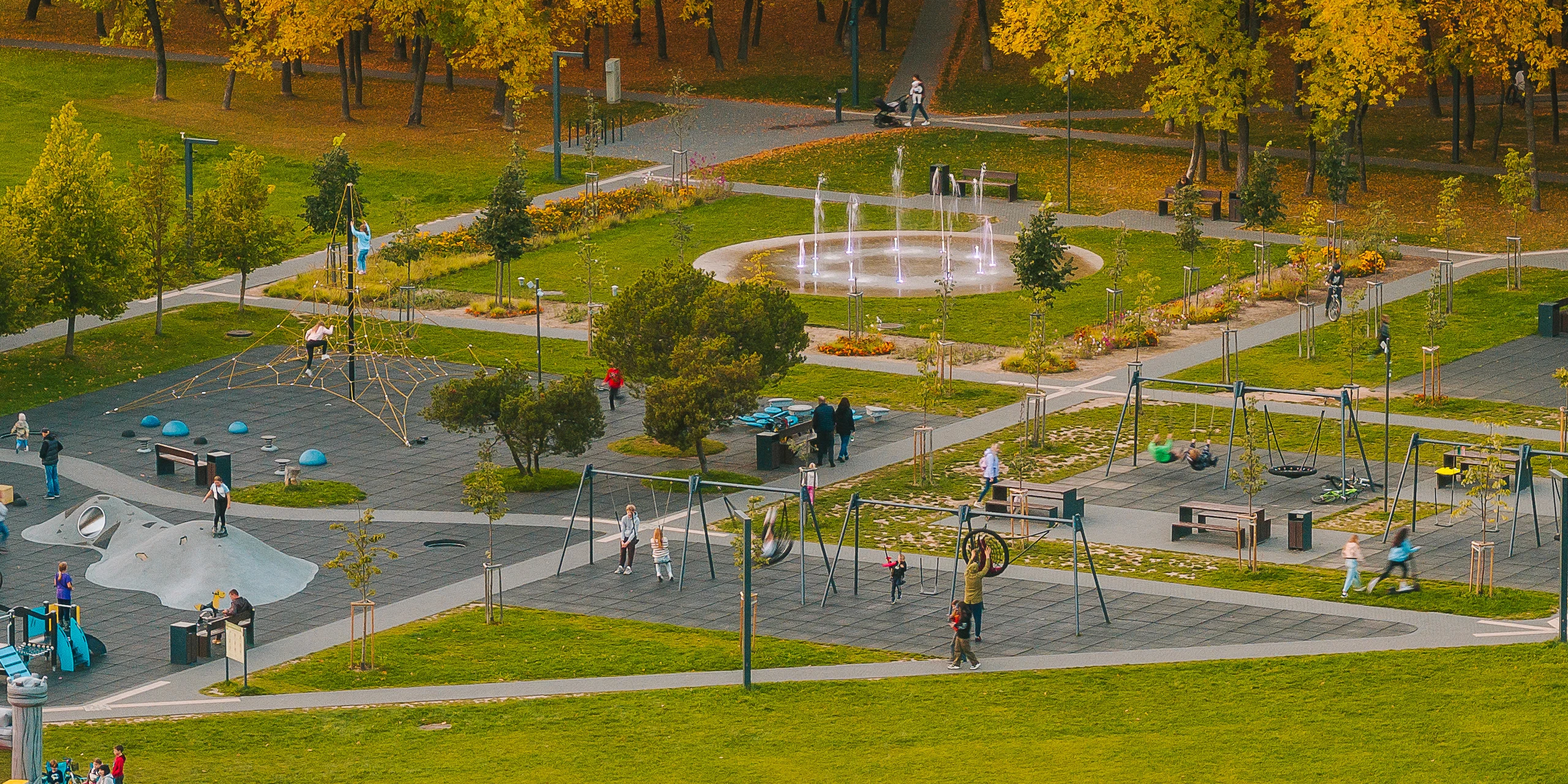
Thinking about relocating with your family? Lithuania offers an exceptional work-life balance, family-friendly policies, and a safe, green environment for expats.
Key Takeaways:
- Lithuania combines a high quality of life with affordable living, making it easy to live comfortably and save.
- With generous benefits like up to two years of shared paid parental leave, Lithuania creates a truly supportive environment for families.
- Lithuania’s UNESCO heritage sites offer a unique blend of natural beauty and rich history to explore.
Life in Lithuania makes it easier to find a healthy balance between professional growth and personal wellbeing. A supportive work culture, manageable pace of life, and access to quality services create an environment where careers can thrive without compromising time for family, rest, and everyday enjoyment.
Beyond work, Lithuania stands out as a family-friendly country with generous parental leave, excellent schools, and green, spacious cities.
If you’re seeking a place that combines safety, convenience, and meaningful family time, Lithuania could be the perfect fit. Here’s everything foreigners need to know about costs, work, lifestyle, and education.
Cost of living in Lithuania
How much does it cost to live comfortably
Living in Lithuania offers exceptional value compared to other European countries. According to recent data, the average gross monthly salary reached €2,427 in Q3 2025, translating to approximately €1,484 net. This provides a comfortable standard of living when housing costs €600-800 monthly for a two-bedroom apartment in central Vilnius.
Comparing Lithuania to Western Europe
You would need around €6,728 in Amsterdam or €5,300 in Berlin to maintain the same standard of living that €3,700 provides in Vilnius. For families, this translates to genuine disposable income and savings potential rarely found in Western Europe. This cost advantage makes living in Lithuania particularly attractive for international professionals.
Minimum wage and salary expectations
As of January 2025, the minimum wage in Lithuania stands at €1,038 gross monthly, a 12.3% increase from 2024. For 2026, this will rise to €1,153 monthly – an 11.1% increase reflecting Lithuania’s commitment to improving living standards.
Skilled professionals tend to earn higher salaries — in 2024, highly qualified foreign specialists were offered an average monthly salary of €2,746, highlighting the strong demand for international expertise in Lithuania.
Monthly budget breakdown
A typical monthly budget for living in Lithuania includes: housing (€600–800 for a two-bedroom), utilities (€150–200), groceries (€400–500 for a family), transport (€30 monthly pass), and entertainment (€200–300). Total monthly costs for a family typically range from €1,500–2,000, leaving substantial disposable income.
Work and residence permit for foreigners
Understanding visa requirements
EU citizens can work freely in Lithuania. For non-EU foreigners, understanding visa requirements is essential. You’ll need either a National Visa (D) combined with a work permit, or a residence permit based on employment. The process typically takes 10-15 business days once you secure a job offer from a Lithuanian employer.
Types of residence permits
Foreigners can obtain temporary residence permits valid for up to two years, renewable for continued employment. The EU Blue Card offers advantages for highly qualified workers, including easier mobility within the EU. After five years, permanent residency becomes available, and citizenship after ten years.
Application process simplified
Lithuania has streamlined its immigration system. Applications are submitted through the Lithuanian Migration Information System (MIGRIS), with most essential services accessible online. This digital-first approach means less time standing in queues and more time settling into life in Lithuania.
Family life in Lithuania
A supportive environment for families
Lithuania celebrates and values family. The country’s generous benefits system offers one of Europe’s longest paid parental leaves – up to 2 years that you can share with your partner. Expecting mothers who’ve contributed to social insurance receive substantial maternity benefits, while new fathers get nearly 78% of their salary for a month after birth.
Parents with multiple children get extra paid days off monthly. These family-friendly policies make living in Lithuania particularly attractive for those looking to not only kickstart their career but also raise a family.
Green spaces and healthy living
The capital, Vilnius, is green enough to provide 95% of its residents easy access to nature – with greenery only 300m from their door. The city bursts with pretty parks and lush green spaces, from the Bernardine Garden to the forested expanses of Vingis Park. Your family will find 100km of criss-crossing nature trails perfect for exploring.
Work-life balance for families
The latest OECD Better Life Index found that only 1% of the Lithuanian population work very long hours, compared to the OECD average of 10%. This means more quality time for families – sledging and skiing in winter, or kayaking and paddle boarding in summer. The country also offers spa and wellness retreats in towns like Druskininkai and Birstonas.
Education system and schools
Lithuanian school system overview
The Lithuanian school system is comparable to other EU neighbors. Children start primary school at 6 or 7, continuing through middle school (year 5) and high school (graduating at year 12). State schools teach in Lithuanian, with some English classes offered. Some state schools provide International Baccalaureate programs for high school years.
International and private schools
Vilnius offers competitively priced private schools with quality education considerably less expensive than other European capitals. The city has American and British schools, plus a prestigious French school. Middle-range private schools offer full-day primary and middle school tuition for around €700 monthly – a fraction of costs in Western Europe.
Kindergartens and early education
Many private kindergartens operate throughout Lithuania, including well-established Montessori schools. Several specialize in English or French instruction, providing language immersion from an early age for expatriate families living in Lithuania.
Healthcare system in Lithuania
Public healthcare coverage
Life in Lithuania is supported by a comprehensive healthcare system that’s tax-funded and accessible. To access services, register as a resident and enroll in the Compulsory Health Insurance (PSD) scheme at €72.45 monthly (6.98% of minimum wage), covering doctor visits, hospital stays, and emergency care without extra charges.
Private health insurance options
For those seeking private health insurance, Lithuania has a large and competitively priced private health market. Most cities have large private clinics offering wide-ranging services. The sector caters to international patients from across Europe, meaning all private health centers offer services in English and other languages.
Private health insurance costs significantly less than in other European countries while maintaining high quality standards. This dual system gives foreigners flexibility in choosing healthcare that suits their family’s needs.
Three-tier healthcare system
The system operates on three levels: primary care with family doctors, secondary care with specialists like cardiologists, and tertiary care for specialized hospital treatments. Everyone can choose their own family doctor who manages overall care and provides specialist referrals.
Digital services and convenience
Because many essential services in Lithuania are accessible online, you’ll spend less time standing in queues. Foreigners with a residence permit and bank account access convenient e-services allowing you to obtain personal documents online, monitor application statuses, register vehicles electronically, and handle all payments digitally.
Streamlined bureaucracy
These digital tools make living in Lithuania hassle-free. You can even invite friends from abroad and assist with their visa applications through the online system. Timely reminders about expiring documents ensure you stay compliant without stress.
Career opportunities and companies
Growing ecosystem
What makes living in Lithuania attractive is the growing ecosystem of dynamic companies running global operations from Vilnius, Kaunas, and Klaipeda. Local heroes include Nord VPN and Vinted, both headquartered in Vilnius, plus Kilo — a health sector all-star emphasizing young, dynamic talent.
International companies
Established brands like Western Union, Nasdaq, Continental, Revolut operate here. Nordic powerhouses like Telia, SEB, Danske and Swedbank back these companies, creating abundant opportunities for career growth. For talents hungry for advancement, life in Lithuania offers both professional development and quality living.
Integration and community
Support networks for foreigners
When your family arrives, institutions like International House Vilnius, plus online groups like Foreigners in Vilnius, help you find like-minded people and build support networks. The international community in Lithuania is welcoming and well-established.
Language and integration
While Lithuanian can be challenging, English dominates professional environments. Younger Lithuanians speak excellent English, making daily life manageable for foreigners. Many companies offer Lithuanian language courses to help international professionals integrate.
A supportive environment
Relocating becomes much smoother when you’re not navigating everything alone. In Lithuania, many employers actively support international talent — from helping with paperwork to offering relocation packages and onboarding guidance. If you’re employed with a contract covered, the process is even more straightforward, as key steps like residence permits and legal requirements are often handled or facilitated by your employer. This structured support system makes settling in faster and less stressful, allowing you to focus on building your new life and career.
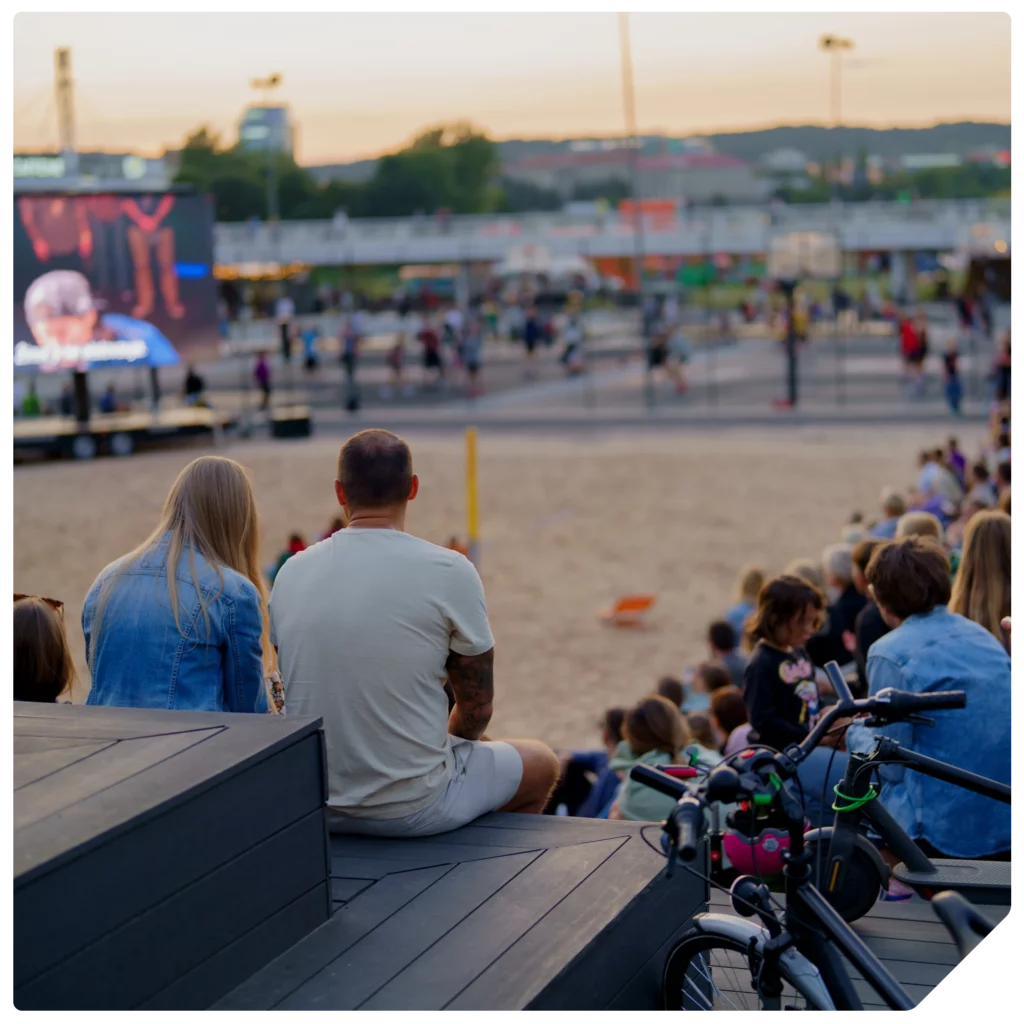
Exploring Lithuanian culture
Weekend adventures
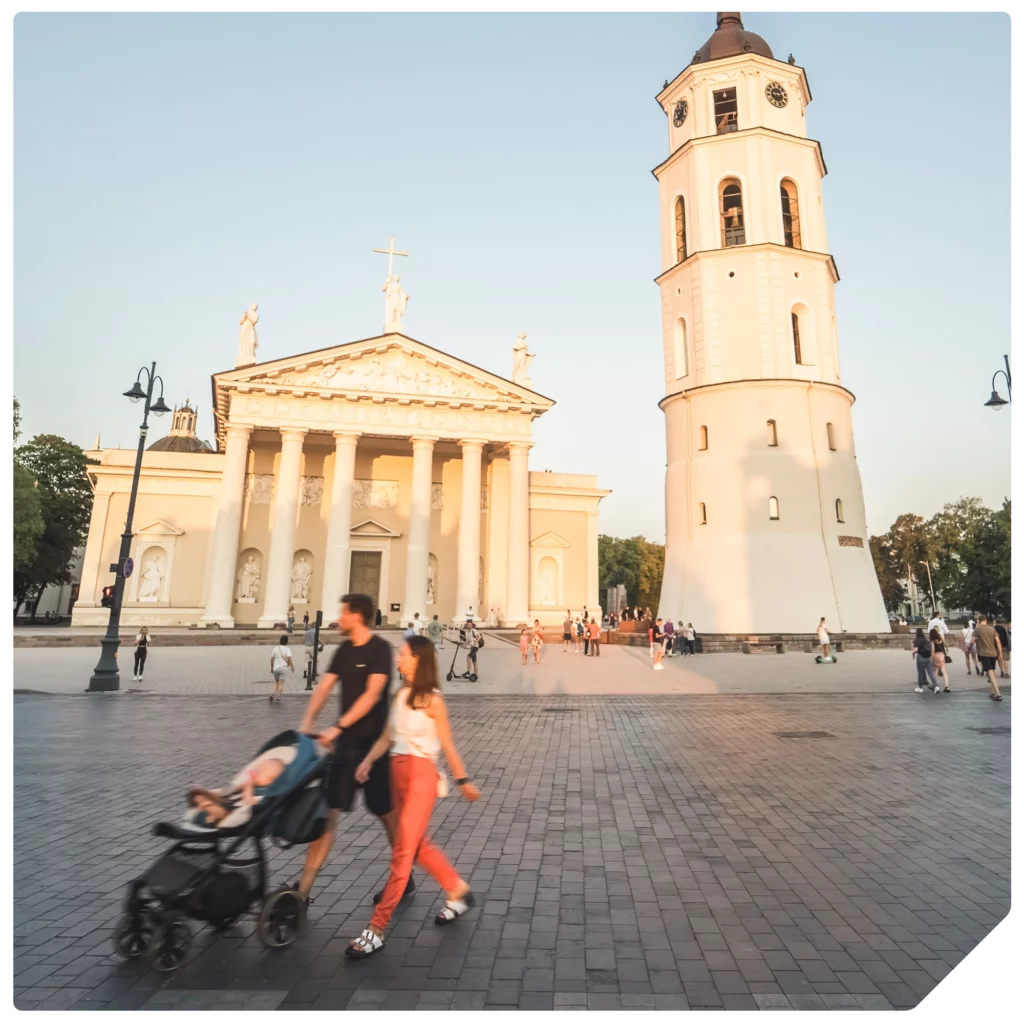
Once settled, explore Lithuania’s treasures. The UNESCO-listed Curonian Spit features gigantic shifting dunes and golden beaches, while Trakai’s fairytale island castle and Vilnius Old Town offer history at every step. Rivers for kayaking, lakes for paddle boarding, and forests for hiking and mushroom foraging are all easily accessible. Even during winter time in and around the major cities, outdoor activities remain part of everyday life, with well-maintained infrastructure making travel simple year-round.
Cultural richness
Life in Lithuania blends modern convenience with rich traditions. The capital Vilnius ranks among Europe’s most progressive cities, hosting festivals, concerts, and exhibitions throughout the year. Access to nature and cultural activities plays a key role in overall well-being — something Lithuania delivers with ease. This balance of cultural vibrancy, accessibility, and affordability creates a quality of life that stands out across Europe.
Why choose Lithuania
Living in Lithuania offers what’s increasingly rare across Europe: competitive salaries that translate into comfortable living, affordable real estate, excellent work-life balance, comprehensive healthcare, quality education, and genuine family-friendly policies. Whether you’re a young professional or relocating with a family, Lithuania provides the infrastructure, opportunities, and quality of life to thrive.
The straightforward residence permit process, digital government services, and welcoming international community make the transition smooth. Life in Lithuania isn’t just affordable – it’s fulfilling. Why not start looking for your new opportunity in Lithuania today?
FAQs:
Is Lithuania safe?
Yes, Lithuania is considered one of the safer countries in Europe. Major cities like Vilnius, Kaunas, and Klaipėda have low crime rates, and overall safety levels are high for both locals and expats.
Is it easy to get a job in Lithuania?
It depends on your field, but opportunities are strong in sectors like IT, fintech, engineering, and business services. Many international companies operate in Lithuania, and English-speaking roles are widely available for skilled professionals.
What is the average salary in Lithuania?
As of 2025, the average gross salary is around €2,375, with a net salary of approximately €1,455. Salaries vary by industry and experience, with higher earnings typically found in tech and specialized roles.
Are people friendly in Lithuania?
Lithuanians may seem reserved at first, but they are generally warm, respectful, and welcoming once you get to know them. Many expats find it easy to build meaningful connections over time.