- en
Francis Linsangan
Francis Linsangan had never heard of Lithuania. When a message inviting him to accept an exciting job opportunity in the country arrived in his LinkedIn inbox two years ago, his first instinct was that it was a scam. It wasn’t. Today, Francis is helping to build a world-class semiconductor manufacturing facility in Vilnius – at Semikona, a company whose very name refers to the industry it is helping to shape. He made that move with his wife Jane and their two children, and hasn’t looked back since. He also runs a public Facebook page encouraging fellow Filipinos to consider Lithuania.
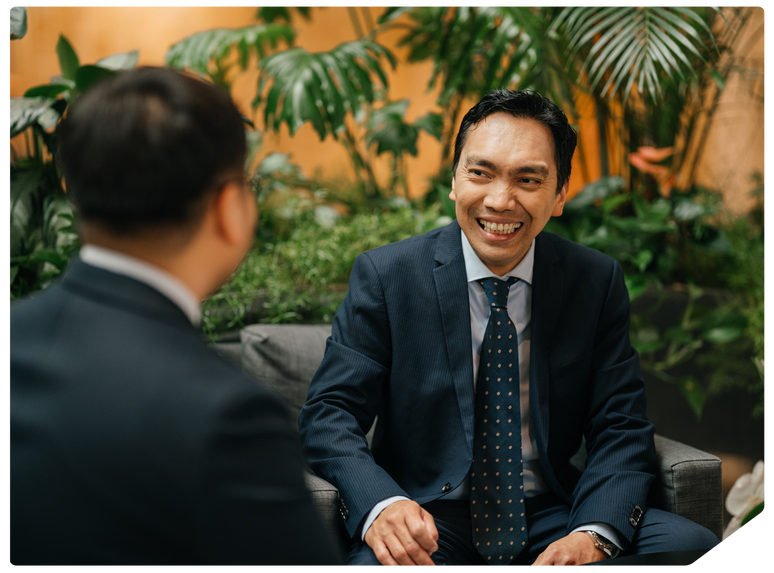
In the Philippines, I was an employee. Here, I’m helping build something from the ground up.
You had a 20-year career in the Philippines before making the move. How did Lithuania even come onto your radar?
Honestly, it didn’t – it found me. I was already in a hiring process for a role in Thailand when I received a LinkedIn message from someone in Lithuania. My first reaction was that it must be a scam. But something made me follow it up, we went through three rounds of interviews, shook hands, and that was it. I came to Lithuania.
To be honest, there’s something about everything that feels a bit like it was all God’s plan, and that makes it feel even more special.
What was it that made you say yes?
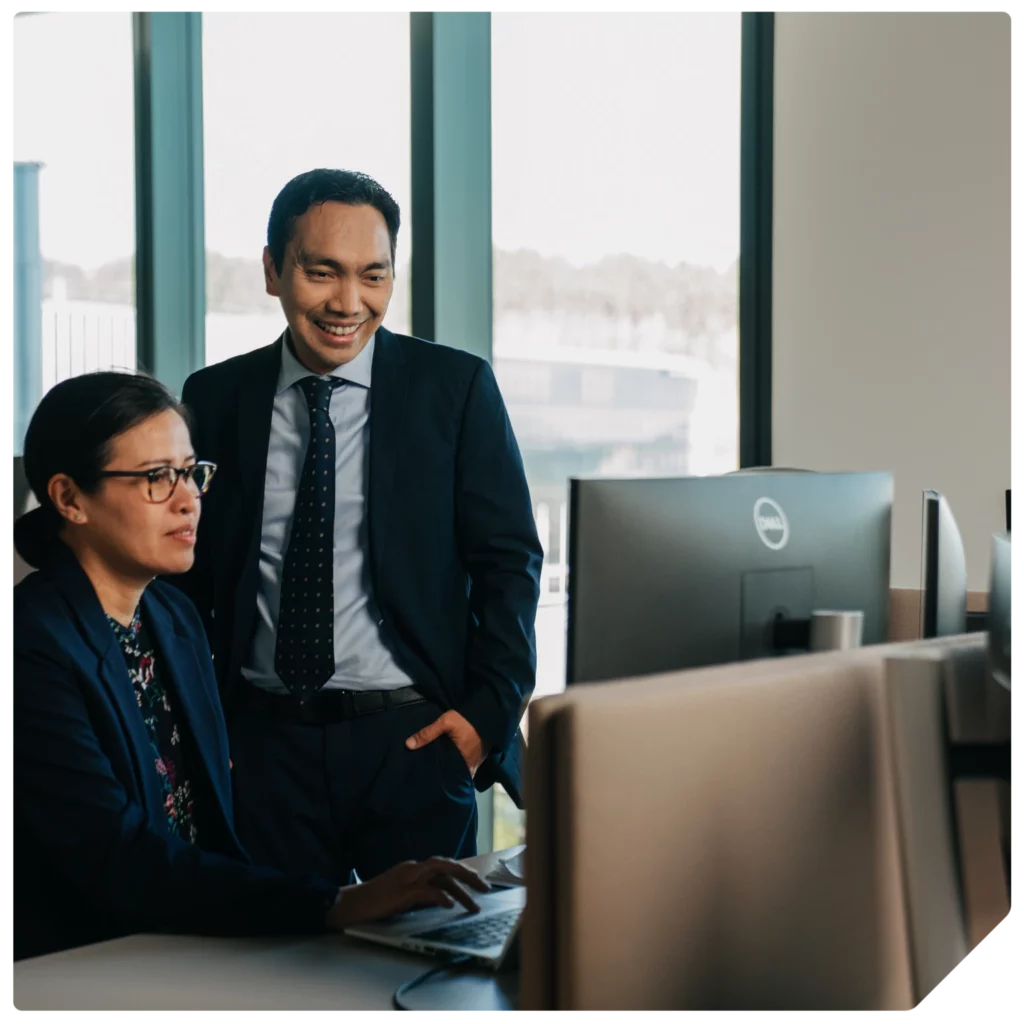
The vision. My boss told me: I have this vision of building a semiconductor manufacturing plant in Lithuania. Will you be able to join me? And with my twenty years of experience, I was able to really know what that meant. In the Philippines, I was an employee – doing my best, being part of a company. But here I am taking more responsibility, a bigger chunk of developing something. All the high-technology dreams I had in the Philippines – now we are putting them into this. And the company committed to bringing my whole family here. That’s the kind of opportunity that you cannot ignore.
What was the relocation experience like – practically speaking?
The company arranged a relocation agency and they were very consistent – communicating with us, looking for an apartment, explaining how to find things, even helping us figure out where to buy things for our three-year-old daughter. When we arrived, everything was settled. So, of course, that made it all so much easier.
But there were moments. I remember our first trip to Maxima (local store). In the Philippines, when you reach the checkout, someone scans your items, someone else bags them, another person thanks you and says please come back. Here, we got to the end of the checkout and just stood there. We asked, what’s next? We didn’t know we were supposed to bag our own things. It’s funny.
The bigger challenge was finding the right school for our eldest son, who is sixteen. We tried two Lithuanian public schools and he sat the entrance exams, but it’s kind of hard to transition immediately from English. We eventually found an Australian-Lithuanian international school in the old town. Now he’s enrolled there, they speak English, and he has Lithuanian classmates – so he’s learning both languages. It’s perfect. Kindergarten for our little one was much easier, naturally. There’s so many to choose from.
How is your family finding life here more generally?
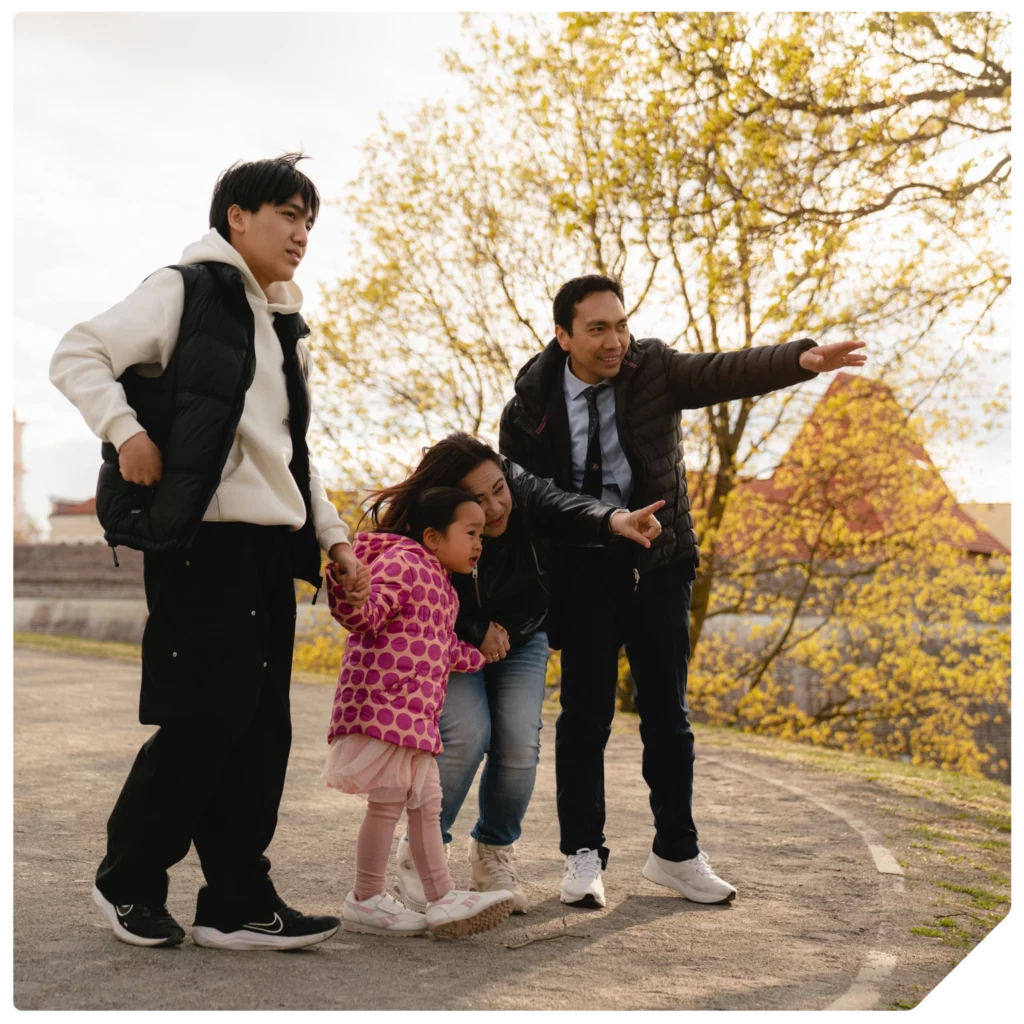
We are really happy here. Safety is the thing I mention most when people ask. My children can move around freely – on public transport, in parks, around the neighbourhood. Having that peace of mind means everything to a parent. We actually set up a public Facebook page to share our experiences with friends and family back home, featuring the places we’ve visited and the things we’ve enjoyed. Now half my friends in the Philippines are asking me if there are any job vacancies here!
Coming from a large established semiconductor ecosystem, how does the manufacturing and tech scene in Lithuania compare?
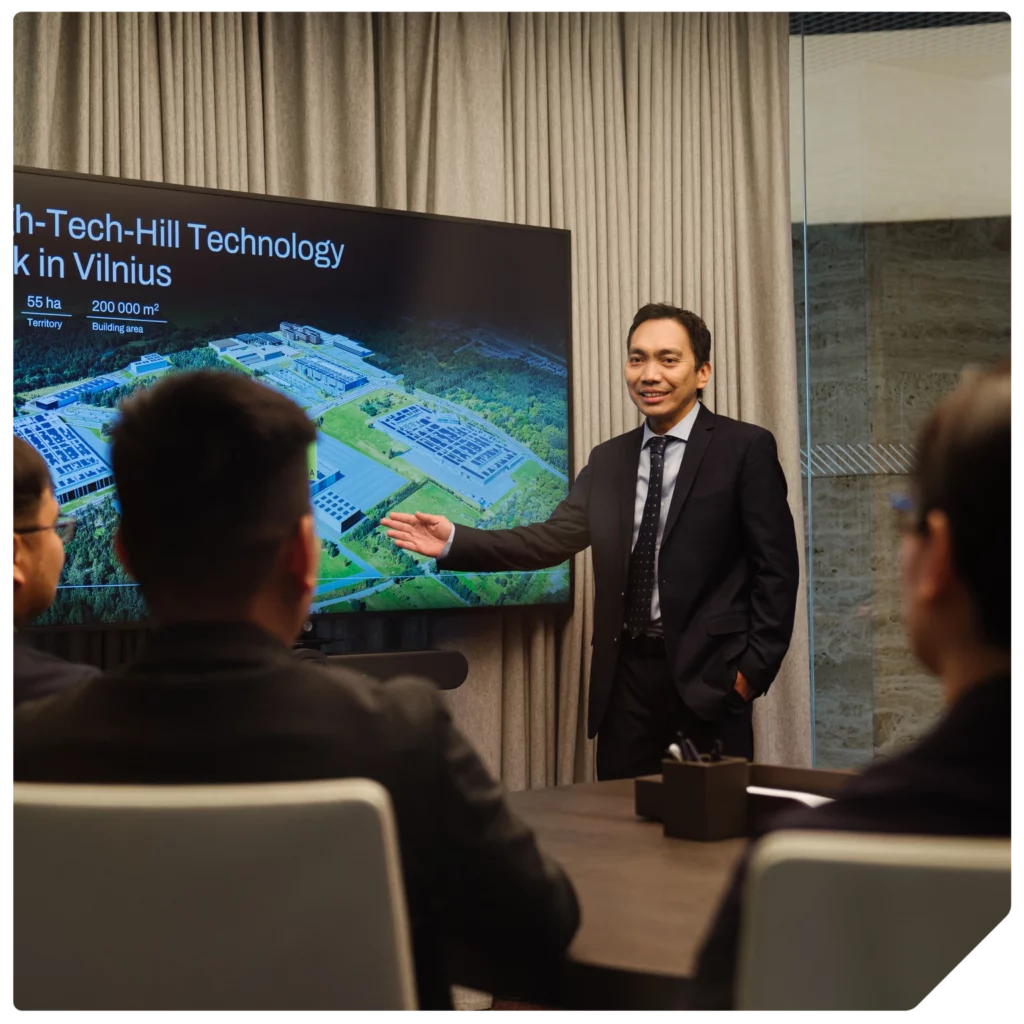
It’s a completely different situation, and that’s exactly what makes it exciting. In the Philippines, I was working within large, well-established American and Korean companies. Everything was set up. Here, we are building from the planning stage. I’m wearing many hats I’ve never worn before. Some days it’s challenging, but I’m learning, developing skills I didn’t have, and contributing to something new. It really is an opportunity that I hadn’t planned for. As I said, it’s God’s plan.
How have you found settling in socially – is Lithuania an easy country to feel at home in?
At first, Lithuanians can seem very reserved, and a bit inexpressive. But I discovered very quickly that if you try even a word or two in Lithuanian, everything changes. People light up. I was once in a grocery shop trying to communicate with an older lady, and she called over a younger person to translate – but she was smiling the whole time, because I’d greeted her in her language. That told me a lot about the people here. Once you make the effort, they open up completely.
Have you had a chance to explore the country?
Very much so. We lived for a while near Žvėrynas, and at the back of our building there was a huge hill and we all climbed it. You could hear the birds singing and see the city with all this nature around, and just taste the clean air. I hadn’t expected a capital city to feel like that. And this winter, riding the bus home to Perkūnkiemis, I saw deer by the roadside. Deer. In a city.
We went to Palanga last March for my daughter’s birthday – it was freezing, but the children didn’t care. They went straight into the Baltic Sea. Some locals came over and asked where we were from. When we said the Philippines, they said, welcome to Lithuania – and they meant it. We’ve also spent time in Kaunas, where there’s quite a big Filipino community. Lithuania is a small country, but there’s a lot to discover.
And the food – have you made peace with Lithuanian cuisine?
It took time. When we first arrived, our boss took us for lunch and served us Cepelinai, šaltibarščiai, grilled meat – everything. I really didn’t like anything that day. But now, my opinions have changed a bit: šaltibarščiai is very nice – very healthy, the beetroot is really something. Last year we went to the Pink Soup Festival, and walked around 17,000 steps. We loved it.
One of my colleagues said to us: maybe to learn Lithuanian, you need to eat more potatoes, because you are still eating rice. I think that is her way of encouraging us. We are working on it.
The interview was conducted in May 2026.