- en
Positive Company Culture: Benefits & 10 Steps to Build It
17 March, 2026
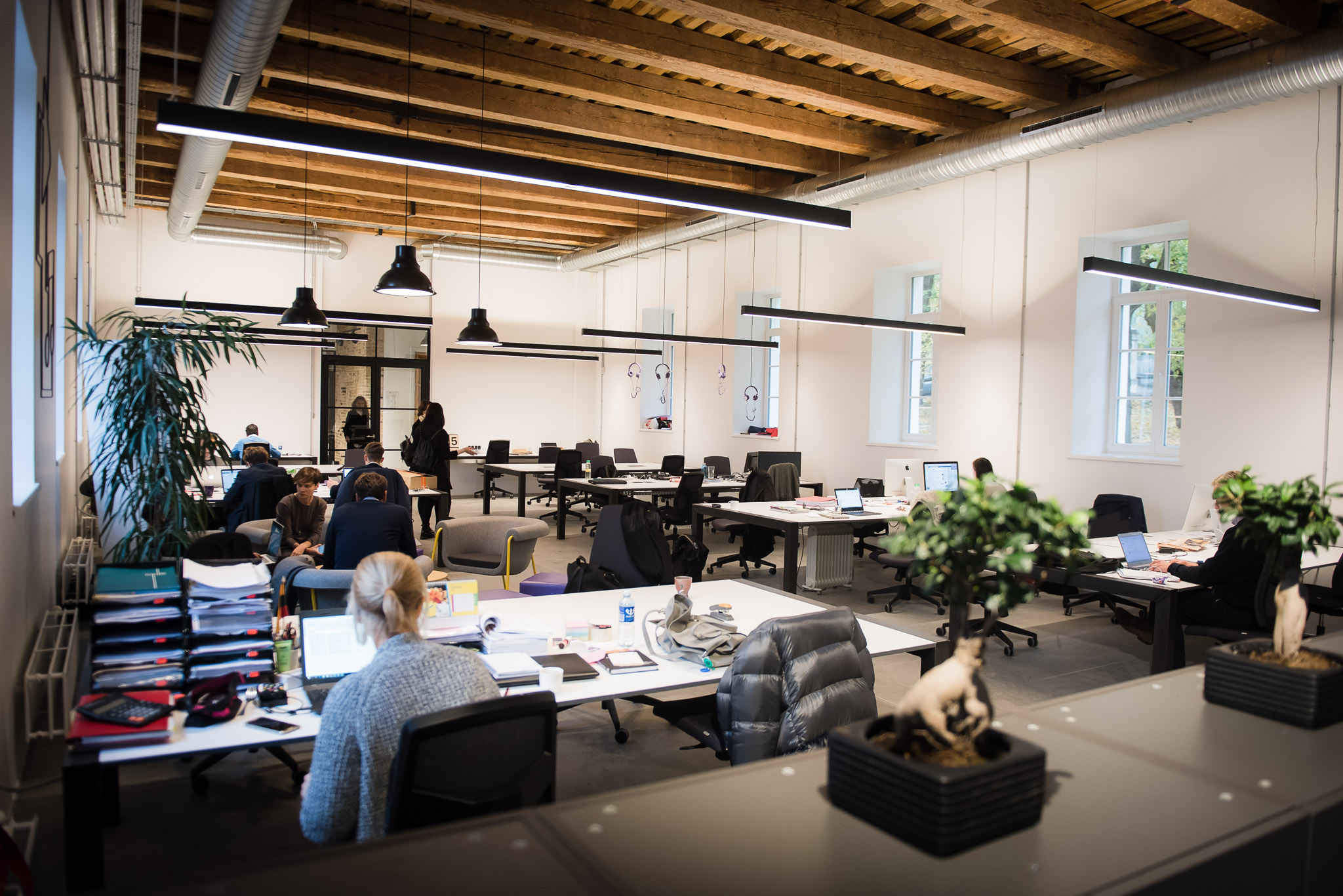
From higher productivity to stronger retention, positive company culture drives real results. Explore key research-backed benefits and 10 clear steps to build a thriving work environment — with examples from Lithuania’s dynamic and people-first companies.
Lithuania’s healthy work-life balance supports long-term satisfaction and growth.
Key Takeaways:
What makes someone excited to walk into work each morning? Starting with millennials, it’s a well-established fact that this group is motivated by jobs that allow them to learn and grow.
In fact, a regularly quoted Gallup poll showed that 87% of millennials identified this as a key reason to accept a job. Meanwhile, an EagleHill report on how positive company culture impacts business performance showed that 77% of millennials surveyed believed that workplace culture impacted their ability to do their best work, with 76% saying it impacted their productivity and efficiency.
And, surprise surprise, the same exhaustive survey found that people who were happy at work stayed with their organization longer. Interestingly, Lithuania’s work culture is very much in line with many of the ingredients that comprise a healthy workplace, making it an attractive destination for international professionals.
Why positive company culture matters
Company culture isn’t about flashy perks or superficial benefits. It’s the shared values, beliefs, and practices that shape how employees interact, collaborate, and find meaning in their work. Corporate culture acts as your organization’s personality – the character defining how things actually get done beyond policies and procedures.
According to research, 88% of workers said corporate culture is important when choosing where to work. Companies with strong organizational culture see a 4x increase in revenue growth, illustrating the direct financial benefits of investing in a positive work environment. For professionals considering relocating to Lithuania, understanding company culture becomes especially crucial when evaluating opportunities.

The measurable benefits of positive company culture
Employee satisfaction and productivity
Engaged employees are 21% more productive. When people experience positive social connections within their workplace, they have fewer illnesses, better cognitive functions, and improved job performance. Team culture plays a vital role – when team members trust each other and communicate openly, engagement naturally follows.
A Gallup poll found that companies effectively engaging their employees with clear expectations, development paths, and opinion-sharing cultures delivered 23% higher profitability. Employee satisfaction directly impacts both individual performance and organizational success.
Retention and employee loyalty
Nine out of 10 employees rating their company culture as poor have thought about quitting. Replacing an employee costs an average of 33% of their annual salary. Organizations with positive company culture dramatically reduce this drain through improved employee loyalty and satisfaction.
The regularly quoted Gallup poll showed that 87% of millennials identified learning and growth opportunities as key reasons to accept a job. Employees stay when organizations invest in their wellbeing, recognize contributions, and provide genuine growth opportunities – particularly relevant for professionals relocating to Lithuania.
The cost of negative culture
Employee disengagement costs the global economy $438 billion in lost productivity annually. Toxic work culture increases turnover risk by up to 10 times. Beyond turnover, negative culture impacts employee health – 65% of employees report feeling burnt out at least once weekly, up from 48% in 2023.
10 steps to build positive company culture
Building positive company culture requires intentional action. These ten steps provide a comprehensive framework for creating work environments where people genuinely thrive, incorporating lessons from successful organizations in Lithuania and across Europe.
Step 1: Define your core values explicitly
Every strong organizational culture starts with clearly defined values. These principles should reflect your organization’s unique character. Involve employees when developing values through workshops gathering input across departments. This inclusion builds immediate buy-in from team members who helped shape the direction.
Step 2: Lead by example from the top
Corporate culture cascades from leadership. Research confirms that 83% of employees at the 100 Best Companies said management’s actions match its words, versus 42% at average workplaces. Leaders who practice what they preach build trust; those who don’t destroy it.

Step 3: Foster open communication and stakeholder engagement
A lot of the time it’s not just about how happy you’re made to feel, or whether or not you can work from home that determines how satisfied you are with your work. More than that, it’s whether or not you feel a sense of accomplishment after you’ve finished a job. It’s about having pride in your work. And that comes from being given responsibility and being a stakeholder in what you do.
This is something that was established more or less definitively by a Gallup poll that found employee engagement was one of the biggest drivers of employee satisfaction. The report found that companies that were able to effectively engage their employees with clear expectations, the opportunity to do what they do best, a clear development path, and a culture of opinion-sharing were able to deliver 23% higher profitability than those that didn’t.
In Lithuania, this understanding lies front and centre of the culture of companies like the all-star of the Health Tech sector Kilo Health, now rebranded as Kilo. The company’s culture is engineered to put control in the hands of its employees, with it even stimulating an entrepreneurial spirit by supporting and funding start-up ideas that are generated by employees within the company. This collaborative approach is part of why Lithuania’s startup ecosystem expanded by 7.1 times from 2018 to 2023.
Step 4: Support career growth and development
It makes sense that those who feel supported will have the confidence to spread their wings and take the chance to develop their careers. Mentorship programs are key here. They provide young professionals with the opportunity to test themselves in more challenging roles under the guidance of more experienced colleagues.
In Lithuania, it’s not uncommon to find companies providing mentoring and training initiatives. Nord Security, a famous local cybersecurity unicorn, has a whole Learning and Development department dedicated to this. Walk15, recognized in Dealroom’s Rising Star category and valued at €15 million, exemplifies sustainable wellness startup culture. In January 2026, Vilnius-based Cast AI officially became Lithuania’s fifth unicorn after securing strategic investment that pushed its valuation above $1 billion, while continuing to grow its main engineering hub in Vilnius with a people-first approach that prioritizes mentorship and employee wellbeing.
Turing College, named one of the world’s best data science programs, has transformed into a global learning platform with students from 72 countries, demonstrating Lithuania’s commitment to education and professional development.
Step 5: Prioritize employee wellbeing and health
A company that looks after both the physical and mental wellbeing of its employees is not only demonstrating its commitment to its people. It is also building a bond of trust with its employees, which helps to retain talent. Having a gym on site is a great start, as is having showers for those who want to go for a run before work, or cycle in. But what about hiring fitness trainers, and even fitness consultants?
This is something that a company like Oxylabs, a young, dynamic and quickly expanding tech business in Vilnius, is committed to providing. But with levels of stress, especially among millennials seemingly on an endless upward trend, it’s never been more important for companies to provide support for emotional wellbeing as well.
Here, you’ll find that workers are equally well catered for in Lithuania, with companies like software solutions developer NFQ providing the Mindletic app, a solution that has been purpose-built to help maintain stable emotional wellbeing. Pulsetto, a Lithuanian startup that raised $400,000 through crowdfunding within two days, creates vagus nerve stimulators promoting relaxation and now serves over 100,000 global users. Employee health directly impacts both individual performance and organizational success.

Step 6: Embrace hybrid and flexible work arrangements
The pandemic delivered a seismic shift in how we work. Working from home became not the exception, but the rule. And what’s more, people realized that they liked it. A report put together by
Accenture found that a massive 83% of the people polled globally said they preferred a hybrid working model.
But it’s not just what floats their boat, but also what delivers better results.
Gartner’s 2020 ReimagineHR Employee Survey found that of the 5,000 employees surveyed, only 36% of those who worked exclusively from the office were high performers, compared to 55% of those who worked from home.
With all this in mind, it should come as no surprise that a hybrid working culture is actively promoted in Lithuania. Vinted, the used clothes marketplace and tech unicorn that calls Lithuania its home, actively promotes a policy that encourages employees to work in whatever setting allows them to perform at their best. Payabl, a fintech company operating a key hub in Vilnius, chose Lithuania specifically for its talent pool and flexible work culture.
Step 7: Build recognition into daily operations
Recognition shouldn’t be reserved for annual reviews. Regular employee recognition means people are appreciated frequently for various accomplishments. Public acknowledgment celebrates success while modeling valued behaviors. Recognition programs that feel sincere strengthen workplace culture and employee satisfaction.
Step 8: Encourage collaboration through team building
Collaboration requires intentional cultivation through company culture that values collective achievement. Team building activities help employees form friendships strengthening professional relationships. Organizational culture should reward teamwork rather than creating competition where one person’s success requires another’s failure.
Gurtam, which relocated to Lithuania after the 2020 Belarusian elections, demonstrates how collaborative culture attracts companies seeking supportive environments. Their IoT and fleet management platforms like Wialon now thrive in Lithuania’s interconnected ecosystem where, as one founder noted, ‘everyone knows everyone, and you’re one phone call away from the person you want to speak with.’
Step 9: Establish feedback mechanisms
Understanding your corporate culture requires systematic listening. Create employee feedback mechanisms throughout your organization. Surveys measuring engagement and satisfaction provide valuable baseline measurements. The best workplace cultures are co-created with employees rather than imposed from above.
Step 10: Hire for cultural fit alongside skills
According to research, 90% of employers believe finding candidates with good cultural fit is critical. During recruitment, be explicit about your work culture.
For companies recruiting international talent in Lithuania, clearly communicating culture helps attract professionals seeking specific work environments. With over 20,000 Lithuanians returning from abroad in 2022, the country is experiencing a ‘reverse brain drain’ as professionals choose Lithuania’s positive company culture over opportunities elsewhere.
Common Mistakes That Harm Company Culture
- Inconsistent leadership
When leaders act unpredictably or fail to align with company values, it creates confusion and erodes trust across teams. - Unclear values
If company values are not clearly defined or communicated, employees lack direction and decision-making becomes inconsistent. - Poor communication
Limited transparency or unclear messaging can lead to misunderstandings, disengagement, and reduced collaboration. - Overworking employees
Consistently high workloads without balance can quickly lead to burnout, lower productivity, and higher turnover. - Lack of recognition
When employee contributions go unnoticed, motivation drops and teams may feel undervalued over time. - Tolerating toxic behavior
Ignoring negative attitudes or harmful behavior can damage team dynamics and undermine a healthy work environment.
Work-life balance: the foundation of positive culture
We’ve already seen the many things that companies can do to improve overall employee satisfaction. And we’ve also seen that companies in Lithuania tick most of the boxes here. But if we really want to have a fulfilling and healthy workplace environment, there is one thing that we need more than anything else – a healthy work-life balance.
In a 2022 article published in the Harvard Business Review, titled “The Surprising Benefits of Work-Life Support”, the writers crunched data gathered from 800 companies in the US over 30 years. Their findings? Companies that promote a healthy work-life balance not only boost productivity, reduce turnover, and improve employees’ mental and physical health. They also increase organizational diversity.
Lithuania is very much a country where companies, both international and local, recognize the importance of maintaining a healthy balance between work and life. Here’s what Bhashini Pathirana, an analyst from Adform, a Danish tech company with a large presence in Lithuania, has to say on the issue:
“What’s great here is the work-life balance. You have the flexibility to dictate how you would like to structure your day, be it working from home, going to the office, or having a hybrid routine. And most importantly, after 5/6pm, you’re done with work”.

Lithuania: a happy place to live and an even happier place to work
With all this in mind, it should probably come as no surprise that in the 2024 World Happiness Report, Lithuania was ranked as the happiest country in the world with respect to those in the under-30 category. This is, after all, the group that the newest generation of young professionals is coming from, and it is this group that is harvesting the benefits of the strong work-life balance culture that has been created.
For international professionals, company culture takes on special significance. Lithuania’s tech sector recognizes that attracting global talent requires more than competitive salaries. With Vilnius ranked as the fastest-growing tech city in the European Union in 2025 and home to over 890 startups contributing to the ecosystem’s impressive €12.4B value, organizations building positive cultures gain competitive advantages. Explore career opportunities in Lithuania to discover organizations prioritizing positive workplace culture.
Building your positive company culture
Positive company culture is a strategic necessity for attracting talent and building sustainable success. The ten steps outlined here provide a roadmap: define values, lead by example, foster communication, support growth, prioritize wellbeing, embrace flexibility, recognize contributions, encourage collaboration, listen actively, and hire thoughtfully.
Organizations with strong workplace culture outperform competitors because engaged team members bring discretionary effort and genuine commitment. For Lithuania’s international workforce, company culture often determines whether opportunities become fulfilling careers.
Long-term business success depends on how seriously organizations prioritize employee well being. By supporting mental resilience, balanced workloads, and professional growth, companies create environments where people can thrive without burnout. When employee well being is part of everyday leadership decisions, it strengthens trust, engagement, and overall stability.
If you are looking for a great working environment and positive company culture, maybe it’s time to consider Lithuania. Your organizational culture exists whether you intentionally shape it or not. The question isn’t whether to have culture – it’s whether to create the culture you want. Start today. Your team members, business performance, and employee experience will thank you for it.
FAQs:
What is a toxic company culture?
A toxic company culture is an environment where negative behaviors such as poor communication, lack of trust, unfair treatment, or burnout are common. It often leads to low employee morale, high turnover, and reduced productivity.
How to identify a company with a positive workplace culture?
A positive workplace culture is reflected in clear values, open communication, supportive leadership, and recognition of employees. You’ll often see high engagement, collaboration, and a healthy work-life balance.
How do you measure company culture?
Company culture can be measured through employee surveys, retention rates, feedback sessions, and engagement metrics. Regular check-ins and transparent communication also help assess how employees experience the workplace.
Can remote teams build a positive culture?
Yes. Remote teams can build strong cultures through consistent communication, clear expectations, virtual team-building, and recognition. Trust and flexibility play a key role in making remote culture successful.